



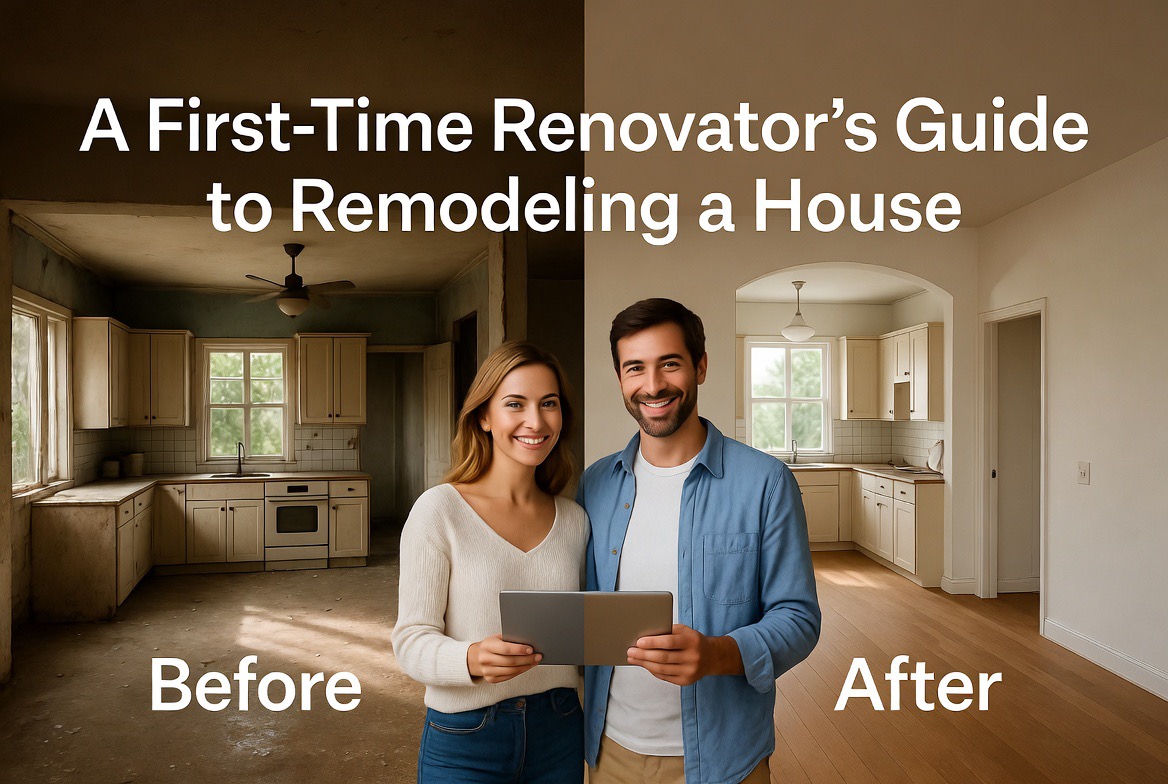
Renovating your first home can feel overwhelming.
You have probably heard the horror stories. Projects that take twice as long as expected. Budgets that spiral out of control. Contractors who disappear halfway through a job. And renovation decisions that seemed like a great idea at the time but do little to increase the home's value when it is eventually time to sell.
But renovating does not have to be that way.
With the right strategy, a renovation can do more than make your home more comfortable. It can improve functionality, increase your enjoyment of the property, and potentially build meaningful equity over time.
This is particularly true in Denver, where many buyers are drawn to older homes with great locations, mature trees, historic character, and the potential to create something special. Neighborhoods such as Park Hill, Congress Park, Washington Park, Berkeley, West Highland, and others throughout Denver have an abundance of homes where thoughtful renovations can make a significant difference.
The key is knowing where to spend your money, where to save, and which projects are most likely to create value.
Here is my advice for first-time renovators who want to improve their home without losing sight of the investment.
Start With the End Goal
Before you call a contractor or start looking at tile samples, ask yourself one important question:
Why are you renovating?
The answer should guide almost every decision that follows.
If you plan to live in the home for 15 years, you may make very different choices than someone who expects to sell in three to five years. If you are renovating your forever home, personal preferences can play a larger role. If you are primarily focused on building equity, you should be more disciplined about where your money goes.
There is nothing wrong with spending money on something simply because you love it. Just understand the difference between a renovation that improves your lifestyle and one that is likely to increase your home's market value.
The best projects often accomplish both.
Understand Your Home Before You Renovate It
One of the biggest mistakes first-time renovators make is focusing on finishes before understanding the underlying condition of the property.
Before spending thousands of dollars on a beautiful new kitchen, determine whether the home needs a new roof. Before installing expensive landscaping, make sure your sewer line is in good condition. Before opening up walls, understand what is behind them.
Older Denver homes can be particularly complicated.
Homes built decades ago may have older electrical systems, aging plumbing, original sewer lines, foundation concerns, inefficient insulation, or additions that were completed at different points in the home's history.
That does not mean you should avoid buying or renovating an older home. It means you need to understand what you are working with.
A thorough inspection, sewer scope, and conversations with qualified professionals can help you identify potential issues before they become expensive surprises.
Fix the Things That Matter Before the Things That Look Pretty
If you are renovating with the goal of building equity, start with the fundamentals.
A beautiful kitchen will not compensate for a failing roof. A gorgeous bathroom will not solve a foundation problem. And expensive landscaping will not add as much value if the home's mechanical systems are nearing the end of their useful lives.
Your renovation priorities should generally follow this order:
- Address structural and safety concerns.
- Repair major systems that need attention.
- Improve functionality and layout.
- Upgrade kitchens and bathrooms strategically.
- Improve energy efficiency and comfort.
- Address cosmetic finishes and design.
This approach may not be as exciting as picking out countertops, but it is often the smarter financial strategy.
Focus on the Kitchen, But Do Not Overdo It
Kitchens are one of the areas where homeowners can potentially create significant value, but they are also one of the easiest places to overspend.
The goal should be to create a kitchen that fits the home and the neighborhood.
In a Denver bungalow or historic Park Hill home, a modern kitchen can be a wonderful improvement. But completely removing every element of the home's character may not be the best choice.
Think about functionality first.
Does the layout work? Is there enough storage? Is there adequate counter space? Can multiple people comfortably use the kitchen? Is the lighting good?
Sometimes the most valuable improvements are not the most expensive ones.
Refinishing cabinets, improving lighting, replacing outdated countertops, upgrading appliances, or reconfiguring a poorly designed layout can create a significant improvement without requiring a complete gut renovation.
Bathrooms: Small Spaces With Big Impact
Bathrooms are another area where thoughtful improvements can add value.
Again, you do not necessarily need to create a luxury spa to make a difference.
A clean, functional, well-designed bathroom with quality finishes can make a strong impression on buyers. Focus on the things people notice every day, including lighting, storage, tile, fixtures, ventilation, and overall functionality.
If you are renovating a primary bathroom, make sure the improvements are appropriate for the home's price point.
A $75,000 bathroom renovation may be difficult to justify in a home where comparable properties have much more modest finishes. The renovation should make sense within the context of the neighborhood and the overall value of the property.
Layout Often Matters More Than Finishes
One of the most overlooked ways to add value to a home is improving the floor plan.
Buyers can often live with outdated countertops. They may be less willing to live with a home that simply does not function well.
Could a wall be removed to improve the flow between the kitchen and living area? Could an awkward hallway be reconfigured? Could an underused space become a home office, mudroom, or additional bathroom?
In Denver's older homes, thoughtful layout changes can be especially valuable because many were built for a very different style of living.
That said, structural changes can become expensive quickly. Before removing walls or changing the footprint of a home, talk to an architect, contractor, or other qualified professional who can help determine what is feasible and what the project will actually cost.
Don't Ignore Energy Efficiency
Energy efficiency is increasingly important to today's homeowners.
Improving insulation, replacing inefficient windows, upgrading HVAC systems, and addressing air leaks can improve comfort and reduce operating costs.
These improvements may not always have the same immediate visual impact as a new kitchen, but they can make a home more comfortable and appealing to future buyers.
In Denver, where homes experience significant seasonal temperature swings, energy efficiency can be particularly relevant.
The best approach is to consider the home's overall performance rather than simply replacing individual components. A professional energy assessment can help identify where improvements are likely to have the greatest impact.
Know When to Hire a Professional
DIY projects can be a great way to save money, but there are some things you should not attempt without the appropriate expertise.
Electrical work, plumbing, structural changes, roofing, HVAC, and major additions are areas where hiring qualified professionals is usually money well spent.
The challenge is finding the right professionals.
This is one reason having a knowledgeable local real estate resource can be valuable, even after you have purchased your home.
A well-connected Denver realtor should have relationships with reputable contractors, architects, designers, inspectors, and other vendors who understand the local housing stock.
Create a Realistic Renovation Budget
Your renovation budget should include more than the cost of materials and labor.
Plan for unexpected expenses.
As a general rule, it is wise to maintain a contingency fund for surprises, particularly when renovating older homes. Once walls are opened or floors are removed, you may discover issues that were not visible during your initial inspection.
It is also important to understand the difference between your renovation budget and your home's potential future value.
Do not assume that spending $100,000 on a renovation automatically adds $100,000 to your home's value.
The return on investment depends on the project, the quality of the work, the neighborhood, the price point, and the expectations of future buyers.
Think About the Neighborhood Ceiling
One of the most important concepts in real estate renovation is understanding the ceiling for your neighborhood.
You generally do not want to create the most expensive home on the block unless you have a very good reason.
Before making major improvements, look at comparable homes in the neighborhood. What are renovated properties selling for? What features do buyers expect at your price point? How much do homes with similar square footage and lot sizes command?
This is where a local realtor can provide valuable insight.
A realtor who understands the neighborhood can help you look beyond the renovation itself and think about the future resale value of the property.
The Best Renovation Is One That Improves Your Life and Your Investment
Ultimately, the smartest renovation is not necessarily the one with the highest theoretical return on investment.
It is the project that improves the way you live while also making the home more appealing to future buyers.
That might mean creating a better kitchen for entertaining, adding a dedicated home office, finishing a basement, improving outdoor living space, or restoring architectural details that make the property unique.
For Denver homeowners, especially those renovating older homes, the opportunity is often to combine the best of the past with the needs of modern living.
That balance can be incredibly valuable.
A Denver Realtor Who Understands Renovation Can Be a Valuable Resource
Renovating a home is a major investment, and the decisions you make can affect both your quality of life and your home's future value.
David Krohne of the FORM Team at Compass Denver brings a unique perspective to this conversation. As a Denver realtor, Park Hill resident, and homeowner with personal experience renovating older properties, David understands the challenges and opportunities that come with Denver's historic and established homes.
David is also deeply connected to the Park Hill community and closely follows neighborhood-level real estate data. That perspective can help homeowners think about renovations not only from a design standpoint, but also from a future resale perspective.
If you are considering buying a home that needs work, renovating your current property, or wondering which improvements are most likely to build equity, David can help you think through the real estate implications. He can also connect you with vetted local vendors and professionals who can help bring your renovation plans to life.
If you are thinking about buying, selling, or renovating a home in Park Hill or elsewhere in Denver, send David a message. Understanding the market before you start a major project can help you make smarter decisions and avoid costly mistakes.
David Krohne is Your Key to Park Hill's finest properties.
FAQ: Renovating a Home to Build Equity
What renovations add the most value to a Denver home?
The renovations that add the most value vary by property and neighborhood, but improvements to kitchens, bathrooms, functional layouts, major systems, energy efficiency, and outdoor living spaces can all be valuable. The key is making improvements that are appropriate for the home and the local market.
Should I renovate my Denver home before selling it?
It depends on the home's condition and your goals. Some homes benefit from strategic improvements before listing, while others are better sold as-is. A Denver realtor can help identify which projects are likely to improve marketability and which may not provide a strong return.
Is renovating an older home a good investment?
It can be. Denver's historic and established neighborhoods are highly desirable, and buyers often appreciate the character of older homes. However, renovation costs can be unpredictable, so it is important to understand the home's major systems and structural condition before beginning a project.
How much should I budget for unexpected renovation costs?
Renovation budgets should include a contingency for unexpected expenses. The appropriate amount depends on the age and condition of the home and the complexity of the project. Older homes generally warrant additional caution because hidden conditions can emerge once walls, ceilings, or floors are opened.
Should I hire an architect for a home renovation?
For major renovations involving structural changes, additions, or significant layout modifications, an architect or other qualified design professional can be extremely valuable. For smaller projects, a contractor or designer may be sufficient. The right professional depends on the scope and complexity of the renovation.
How do I know if a renovation will increase my home's value?
The best way to evaluate a renovation's potential impact is to consider comparable properties in your neighborhood. Look at what renovated homes are selling for, what features buyers expect, and how your proposed improvements compare with competing properties.
Can David Krohne help me plan a renovation?
David Krohne is a Denver realtor with the FORM Team at Compass Denver, a Park Hill resident, and someone with personal experience renovating older Denver homes. He can help homeowners evaluate potential renovations from a real estate perspective and connect them with vetted local professionals when appropriate.
Check out this article next