

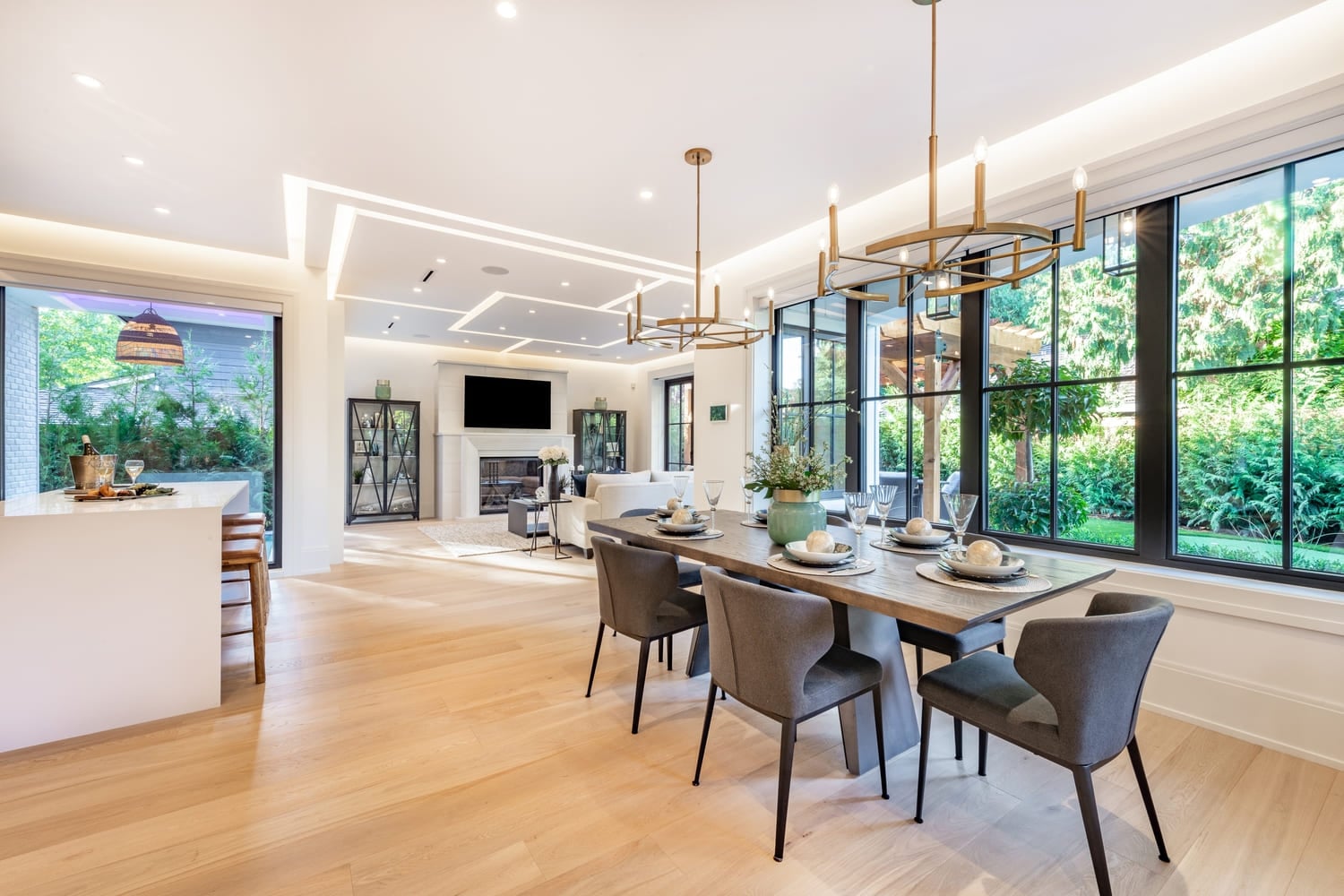


If you are renovating a Denver home, there is a big difference between making a house more enjoyable to live in and making a renovation that will actually add value when you eventually sell.
The two often overlap, but they are not the same thing.
After years of studying, buying, selling and renovating older Denver homes, I have become increasingly convinced that the best renovations are not necessarily the most expensive ones. They are the ones that improve how a home functions, respect the architecture of the property and make sense for the neighborhood.
That distinction matters enormously in Denver, particularly in older neighborhoods such as Park Hill, Congress Park, Washington Park, Berkeley, Country Club and West Highlands. A 100-year-old house does not necessarily benefit from being renovated to look like a brand-new house.
In fact, sometimes the opposite is true.
The renovations that tend to add the most value
1. Improving the floor plan
One of the highest-value improvements you can make to an older Denver home is often not something you can see in a photograph.
It is making the house work better.
Older Denver homes were designed for a very different way of living. Kitchens can be small, bedrooms can be compartmentalized and circulation can feel awkward. Thoughtfully improving the layout can dramatically change how buyers perceive a home.
That does not necessarily mean tearing down every wall.
Sometimes the smartest renovation is opening a kitchen to create a better connection with a dining or family room. In other cases, it might mean relocating a laundry room, creating a better primary suite or adding meaningful square footage where the existing house lacks it.
The key word is meaningful.
Adding 300 square feet that nobody knows what to do with is very different from adding 300 square feet that creates a beautiful primary suite, family room or functional mudroom.
In my experience, buyers pay for usefulness far more readily than they pay for square footage simply because it exists.
2. Adding square footage strategically
Denver's older homes can present an interesting renovation equation because land is often more valuable than the existing structure.
That makes additions particularly compelling when they solve a genuine problem.
A main-floor primary suite, a larger kitchen with room for a family area or a well-designed rear addition can fundamentally change the category of a house.
But additions need to feel like they belong.
The best ones look as though they were always supposed to be there. Poorly conceived additions can make an otherwise beautiful historic home feel disjointed and can actually reduce its appeal.
This is one reason I believe a good architect can be one of the most important investments in a renovation.
3. Restoring or emphasizing original character
This is where I think Denver homeowners have a tremendous opportunity.
Original hardwood floors, doors, trim, fireplaces, built-ins, windows, ceiling details and architectural proportions can be incredibly valuable.
The mistake is assuming that everything old needs to be replaced.
The design world is moving increasingly toward authenticity and away from interiors that look as though every element came from the same showroom.
You can see this clearly in brands such as deVOL, whose collections incorporate vintage furniture, handmade materials, aged brass, traditional craftsmanship and designs influenced by historic English homes. deVOL even began by renovating antique furniture, and its current Heirloom collection explicitly draws from historic Victorian kitchen furniture.
House of Hackney is taking a similarly individual approach through bold pattern, floral and botanical designs, traditional craft and what the company calls "future heirlooms." Its work draws heavily from the legacy of designers such as William Morris while translating those influences for contemporary homes.
There is a larger lesson here.
Character is becoming a feature, not a flaw.
And in Denver's historic homes, you often already own the character.
4. Designing kitchens and bathrooms that feel appropriate to the house
Kitchens and bathrooms are important to buyers, but that does not mean you need to install the most expensive finishes available.
What matters is creating something cohesive.
A contemporary kitchen can work beautifully in a historic Denver house, but it should still acknowledge the architecture around it.
That might mean furniture-style cabinetry instead of a wall of anonymous white cabinets. It could mean natural stone, handmade tile, unlacquered or aged brass, oak, painted cabinetry or lighting that feels more architectural than builder-grade.
This is another reason I like what brands such as deVOL are doing. Their kitchens are designed to feel more like furniture and less like a collection of cabinets. Their use of materials that naturally age and develop character reinforces the idea that a home does not need to look brand new to look beautiful.
That philosophy translates particularly well to Denver's older housing stock.
The renovations that often don't pay back
1. Over-improving for the neighborhood
This is one of the biggest mistakes I see homeowners make.
You can spend $400,000 renovating a house and still not create $400,000 of additional market value.
Real estate value is contextual.
A renovation needs to be evaluated against comparable homes, the surrounding neighborhood, the lot, the architecture and the price ceiling buyers are willing to pay.
A spectacular renovation in a neighborhood where buyers are primarily looking for a $900,000 home does not automatically turn the property into a $1.4 million home.
Before beginning a major project, understand where your finished house will sit in the local market.
2. Trend-driven renovations
There is a difference between timeless design and whatever happens to be everywhere on Instagram this year.
White oak floors, waterfall islands, slab backsplashes and minimalist kitchens can all be beautiful. But when every renovated house looks identical, differentiation disappears.
That is particularly problematic in Denver's historic neighborhoods.
I would rather see a homeowner create something thoughtful and specific to the house than produce another perfectly executed version of the same kitchen.
This does not mean going wildly unconventional.
It means having enough confidence to make design decisions that give the house an identity.
3. Removing character to create "modern" space
This can be particularly damaging in historic homes.
Removing original millwork, replacing interesting doors, covering beautiful floors or eliminating architectural details can make a house easier to renovate but harder to distinguish.
Buyers looking for an older Denver home are often buying precisely because they want something they cannot get in a new-build subdivision.
Don't renovate away the reason someone wanted the house in the first place.
4. Luxury finishes buyers cannot appreciate
There is a point where spending more stops creating proportionally more value.
A $20,000 appliance package may be extraordinary, but if the kitchen layout is poor, it is not going to rescue the room.
Likewise, an expensive slab of stone will not compensate for a badly designed bathroom.
I would prioritize layout, architecture, craftsmanship, natural light, storage and overall cohesion before obsessing over individual finishes.
The renovation test I use
Before committing to a major project, I would ask five questions:
- Does this make the house meaningfully better to live in?
- Does it respect the architecture of the property?
- Does it make sense for the neighborhood?
- Will a future buyer understand why it was worth doing?
- Am I improving the house, or simply making it more expensive?
That last question is particularly important.
The best renovation is not necessarily the one with the highest construction budget. It is the one where the money is allocated intelligently.
What I would do differently in a Denver historic home
If I were renovating an older Denver property today, I would focus first on the fundamentals: layout, function, natural light, storage, mechanical systems and meaningful square footage.
Then I would look at the architectural details that make the house special.
Only after those decisions were made would I begin selecting finishes.
And I would not be afraid of personality.
The growing interest in antique furniture, historic patterns, handmade materials, natural textures and individually sourced pieces is encouraging because it aligns beautifully with Denver's older housing stock. Brands such as deVOL and House of Hackney are evidence of a broader design movement toward interiors that feel collected, layered and personal rather than mass-produced.
For me, that is where renovation becomes especially interesting.
The goal is not to make an old Denver house look new.
The goal is to make it feel like the best possible version of itself.
And that can be much more valuable.
Key Takeaways
- The renovations most likely to create meaningful value improve the home's layout, functionality, architectural character and relationship to the neighborhood.
- Adding square footage can be valuable when it solves a genuine problem, such as creating a primary suite, family room or better kitchen.
- In Denver's historic neighborhoods, preserving original architectural details can be just as important as adding new finishes.
- The most expensive renovation is not necessarily the most valuable one. Over-improving for the neighborhood can make it difficult to recover the investment.
- Design individuality can help a renovated home stand apart from generic renovations, particularly when the design respects the home's original architecture.
- Before renovating, understand the neighborhood's market ceiling and how buyers value different improvements.
Frequently Asked Questions
What renovations add the most value to a Denver home?
Generally, improvements that enhance function, layout, usable square footage, kitchens, bathrooms and overall condition tend to have the strongest impact. The answer varies considerably by neighborhood and property.
Is adding square footage worth it in Denver?
It can be, particularly when the additional space solves a meaningful functional problem. A well-designed primary suite or family room can be more valuable than simply adding undifferentiated square footage.
Should I preserve original features in a Denver historic home?
In many cases, yes. Original trim, floors, doors, fireplaces, built-ins and other architectural details can be among the property's most distinctive assets. Their value depends on their condition and the specific house.
Should I renovate my historic Denver home to look modern?
Not necessarily. Modern functionality can coexist beautifully with historic architecture. The strongest renovations often combine updated systems and layouts with materials and design choices that respect the original character.
Do luxury finishes increase a home's resale value?
They can contribute to a home's appeal, but expensive finishes alone do not guarantee a higher sale price. Layout, architecture, condition and overall design usually matter more than the price of individual materials.
What renovation mistakes hurt resale value?
Common mistakes include over-improving for the neighborhood, removing original character, following highly specific trends and spending heavily on finishes while neglecting layout and functionality.
Should I talk to a Realtor before renovating?
Yes, particularly before a major investment. A knowledgeable Denver Realtor can help you understand comparable sales, neighborhood price ceilings, buyer preferences and which improvements are likely to matter when you eventually sell.
Check out this article next
