


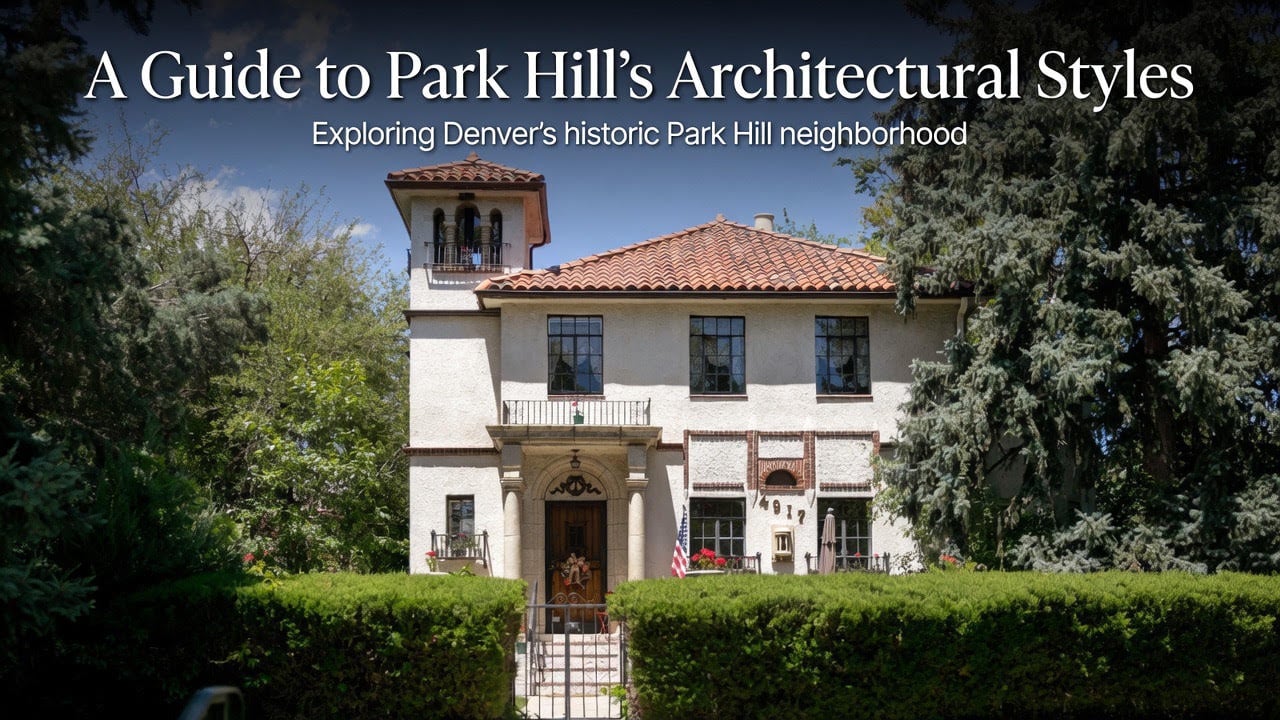
Walk through Park Hill in Denver and you will quickly realize that this is not a neighborhood defined by a single architectural style. Instead, Park Hill is a living architectural timeline, with homes that reflect more than a century of Denver's growth and changing tastes.
From classic Denver Squares and Craftsman bungalows to Tudor Revival homes, Mid-Century Modern properties, and thoughtfully designed contemporary renovations, Park Hill's architectural diversity is one of the reasons the neighborhood remains so desirable.
For buyers, understanding Park Hill's architecture is about more than appreciating beautiful homes. Architectural style can influence a property's floor plan, maintenance requirements, renovation potential, historical character, and even how a home fits into the surrounding block.
As a Park Hill resident and Denver realtor, David Krohne has a particular appreciation for the neighborhood's architecture. His experience renovating older Denver homes gives him a practical understanding of what makes these properties special, as well as the challenges that can come with owning a home that is 50, 75, or more than 100 years old.
If you're considering buying or selling a home in Park Hill, understanding the neighborhood's architectural styles can help you appreciate what makes each property unique.
Denver Square: The Classic Park Hill Home
One of the architectural styles most closely associated with Denver's historic neighborhoods is the Denver Square, sometimes referred to as a Foursquare.
These homes became popular in Denver around the turn of the 20th century and are recognizable by their generally symmetrical, boxy shape, two-story design, and practical floor plans.
Many Denver Squares feature front porches, tall windows, wood or brick exteriors, and relatively straightforward architectural detailing. Inside, you may find generously sized rooms, high ceilings, original woodwork, fireplaces, and other details that reflect the craftsmanship of the era.
For buyers, Denver Squares can offer an appealing combination of historic character and functional living space.
However, not every Denver Square has been preserved in its original condition. Some have undergone extensive renovations, while others still contain much of their original architecture.
When evaluating one, it is important to look beyond cosmetic updates. A beautiful kitchen renovation is wonderful, but buyers should also understand the age and condition of the home's electrical, plumbing, HVAC, roof, foundation, and other major systems.
Tudor Revival: One of Park Hill's Most Recognizable Styles
Tudor Revival homes are among the most visually distinctive properties in Park Hill.
Popular in the early 20th century, Tudor Revival architecture often features steeply pitched roofs, prominent front-facing gables, brick or stucco exteriors, decorative half-timbering, and arched doorways or windows.
In Park Hill, these homes can range from relatively modest cottages to larger, highly detailed residences.
Their appeal is easy to understand. Tudor homes have a storybook quality that makes them instantly recognizable, and their distinctive architectural details can create a strong sense of personality.
For buyers, however, that character can come with additional maintenance considerations. Steep roofs, masonry, stucco, older windows, and intricate exterior details should all be carefully evaluated during the inspection process.
A well-maintained Tudor Revival home can be an extraordinary property, particularly for buyers who value architecture and craftsmanship.
Craftsman and Bungalow Homes
Craftsman-style homes and bungalows are another important part of Park Hill's architectural story.
These homes typically emphasize craftsmanship and natural materials. Common features include broad front porches, low-pitched roofs, exposed structural elements, tapered columns, and wood or brick exteriors.
Inside, Craftsman homes often feature built-in cabinetry, hardwood floors, fireplaces, and other details that emphasize the quality of construction.
Bungalows are generally smaller and more compact than some of Park Hill's larger historic homes, making them appealing to buyers who want architectural character without necessarily taking on a massive property.
One of the challenges with older Craftsman and bungalow homes is that modern buyers often want more open kitchens, larger primary suites, and additional bathrooms than the original floor plans provided.
That creates an important question for buyers: Is the home better suited to preservation, or is there an opportunity for a thoughtful renovation?
The answer depends heavily on the individual property and its location.
Colonial Revival and Classical Influences
Park Hill also includes homes influenced by Colonial Revival and other classical architectural traditions.
These properties may feature symmetrical facades, columns, formal entrances, multi-pane windows, and more restrained decorative details.
Compared with the more visually dramatic Tudor Revival homes, Colonial Revival properties can have a quieter and more formal appearance.
For buyers, these homes often offer traditional floor plans and strong architectural proportions. They can also provide an excellent canvas for renovation, particularly when original details have been preserved.
As with any historic or older home, the challenge is balancing modern functionality with the features that make the property special.
The best renovations typically improve the way a home lives without erasing its architectural identity.
Mid-Century Modern and Ranch-Style Homes
When people think about Park Hill architecture, they often picture early 20th-century brick homes. But the neighborhood's architectural story did not end there.
Later development introduced Mid-Century Modern influences and ranch-style homes, particularly in portions of the neighborhood.
These properties often have a very different feel from the area's historic Denver Squares and Tudors. Ranch homes typically emphasize single-level living, horizontal lines, larger windows, and a closer connection between indoor and outdoor spaces.
For today's buyers, this can be a significant advantage.
A single-level floor plan may appeal to buyers looking for long-term accessibility, while Mid-Century homes can offer a more open and casual living experience.
The challenge is that many Mid-Century homes have been renovated over the years, sometimes in ways that removed original architectural details.
For buyers who appreciate Mid-Century design, finding a property with intact original features can be particularly exciting.
Contemporary Renovations and New Construction
Park Hill's architectural story continues to evolve.
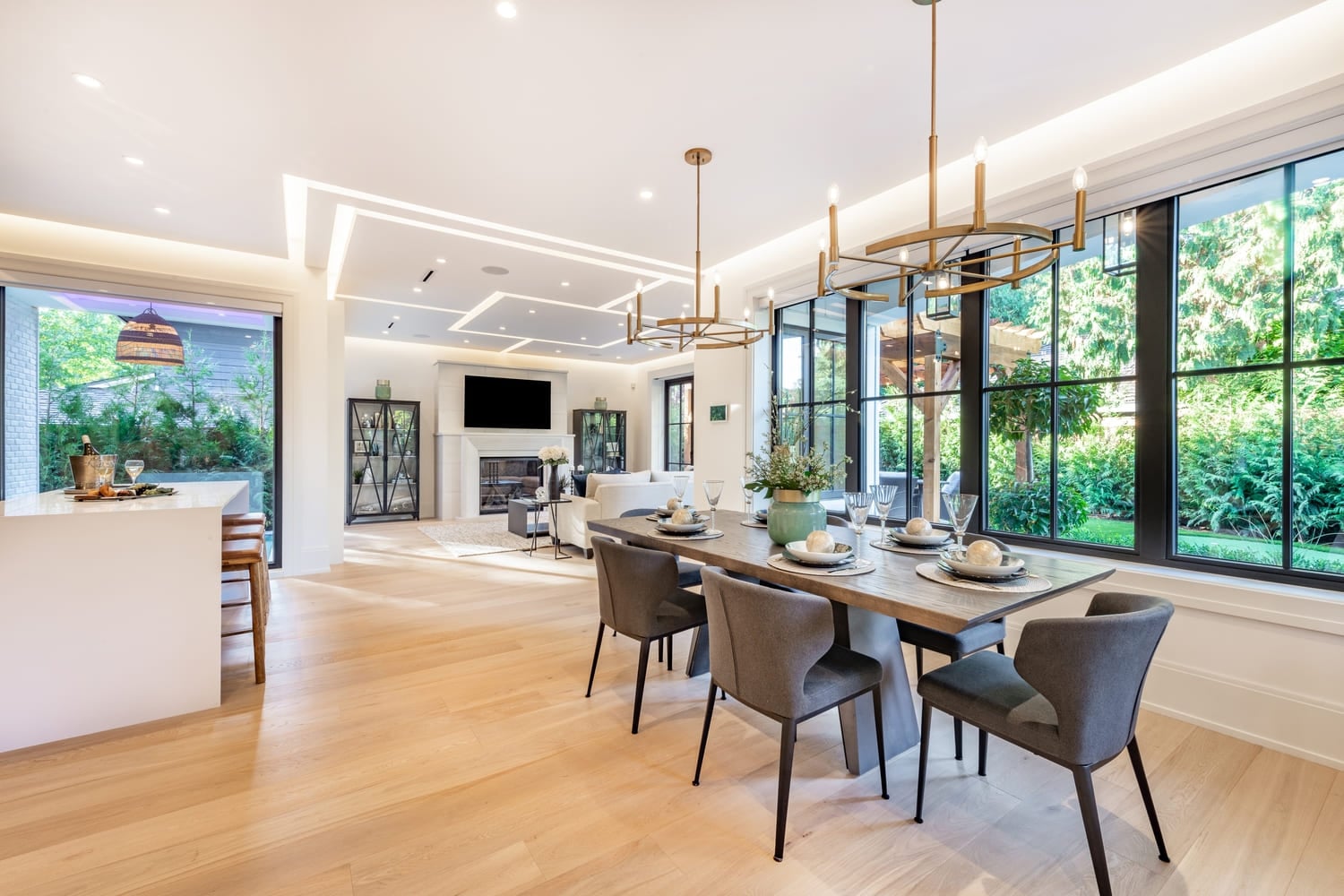
Today, buyers will find homes that combine historic exteriors with completely modern interiors, as well as contemporary additions and new construction.
This creates some of the most interesting architectural contrasts in the neighborhood.
A historic brick home may have a modern kitchen addition. A classic Tudor may contain a completely updated interior. A new home may be designed to reference the architectural traditions of the surrounding neighborhood while offering modern systems and energy efficiency.
For buyers, this creates a broad range of options.
Some want a home that feels as though it has been frozen in time. Others want the character of an older exterior with the convenience of a modern interior.
There is no universally correct approach. The right choice depends on how you want your home to live.
What Park Hill Architecture Means for Buyers
Architecture matters when buying a home in Park Hill because it affects more than appearance.
The architectural style and age of a property can influence:
- Floor plan and room sizes
- Natural light
- Ceiling heights
- Original windows and doors
- Roofing and exterior maintenance
- Plumbing and electrical systems
- Renovation possibilities
- Addition potential
- Long-term maintenance costs
- Resale appeal
This is one reason buyers should work with a realtor who understands older Denver homes.
An experienced Park Hill realtor should be able to help buyers look beyond the staging and finishes and think critically about the property itself.
Is the home historically significant? Which features should be preserved? Has the property been renovated thoughtfully? Are there opportunities to improve the floor plan? What might a future renovation involve?
These questions can be just as important as the number of bedrooms and bathrooms.
Why Park Hill's Architecture Makes the Neighborhood Special
One of the best things about Park Hill is that you can walk several blocks and see a completely different architectural story unfold.
A Denver Square might sit next to a Tudor Revival. Around the corner, you may find a Craftsman bungalow, a Mid-Century ranch, or a contemporary renovation.
This diversity gives Park Hill a sense of history and individuality that is increasingly difficult to find in newer developments.
It is also one of the reasons buyers who love older homes are drawn to the neighborhood.
Park Hill is not simply a collection of houses. It is a collection of architectural styles, streetscapes, mature landscaping, and homes that have evolved alongside the people who have lived in them.
For buyers, that creates an opportunity to find something truly distinctive.
Thinking About Buying or Selling a Park Hill Home?
Whether you're looking for a meticulously preserved Tudor Revival, a classic Denver Square, a charming bungalow, or a thoughtfully renovated historic home, understanding Park Hill's architecture can help you make a more informed real estate decision.
David Krohne is a Park Hill resident and Denver realtor with the FORM Team at Compass Denver. His experience renovating older homes and working with buyers and sellers throughout Denver's historic neighborhoods gives him a practical understanding of the opportunities and challenges that come with these properties.
If you're considering buying or selling in Park Hill, David can help you understand current market data, evaluate a home's architectural character and renovation potential, and develop a strategy based on the property's unique qualities.
Whether you're searching for a historic gem or preparing to sell one, David Krohne is Your Key to Park Hill's finest properties.
Frequently Asked Questions About Park Hill Architecture
What architectural styles are common in Park Hill Denver?
Park Hill features a diverse collection of architectural styles, including Denver Squares, Tudor Revival homes, Craftsman and bungalow-style homes, Colonial Revival influences, Mid-Century Modern properties, ranch homes, contemporary renovations, and newer construction.
What is a Denver Square?
A Denver Square is a type of Foursquare-style home that became popular in Denver around the turn of the 20th century. These homes typically have a symmetrical, box-like shape, two stories, and practical floor plans. Many feature front porches, brick or wood exteriors, high ceilings, fireplaces, and original woodwork.
Are there Tudor homes in Park Hill?
Yes. Tudor Revival homes are an important part of Park Hill's architectural character. They are often recognizable by steeply pitched roofs, brick or stucco exteriors, decorative half-timbering, and arched architectural details.
Are Park Hill homes historically significant?
Many homes in Park Hill reflect important periods in Denver's architectural and neighborhood development. However, the historical significance of individual properties varies. Buyers interested in a specific property's history should research the home's construction date, architectural style, prior renovations, and any applicable historic designations or preservation requirements.
Are older Park Hill homes difficult to renovate?
Not necessarily, but renovating an older home requires careful planning. Buyers should consider the condition of major systems, the existing floor plan, structural considerations, and any applicable zoning or preservation requirements. A realtor with experience in older Denver homes can help buyers understand potential opportunities and challenges.
What should I look for when buying an older home in Park Hill?
Buyers should evaluate the home's foundation, roof, electrical, plumbing, HVAC, windows, insulation, and overall structural condition. It is also important to consider whether previous renovations were completed thoughtfully and whether the home can accommodate future changes.
Who is a good realtor for buying or selling historic homes in Park Hill?
David Krohne is a Park Hill resident and Denver realtor with the FORM Team at Compass Denver. His experience with older Denver homes and renovations gives him a strong understanding of the architectural character and practical considerations involved in buying and selling properties throughout Park Hill and Denver's historic neighborhoods.
Check out this article next