



cSummary
For most buyers, the better investment is not determined by whether a Denver home is old or new, but by how well the property fits its neighborhood, how intelligently it was built or renovated, and what future buyers are likely to value. Older homes can offer character, established locations, and strong long-term appeal. New construction can provide efficiency, lower near-term maintenance, and modern layouts. The best choice depends on the specific property, not simply its age.
Denver buyers are often presented with this decision as though there is an obvious winner.
Do you buy the charming 1920s bungalow with original hardwood floors, mature landscaping, and a location in an established neighborhood? Or do you choose the brand-new home with a large kitchen, walk-in closets, modern systems, and the appeal of being the first person to live there?
The answer is more complicated than "old houses have character" or "new construction is easier."
In Denver, the better investment often comes down to a more important question: What are you actually buying, and how will the next buyer see it?
A well-built new home in the right location can be an excellent long-term investment. So can a thoughtfully maintained or intelligently renovated older home. But buyers can also overpay for newness, underestimate the cost of deferred maintenance, or confuse cosmetic updates with genuine quality.
The Biggest Mistake: Treating Age as a Proxy for Value
One thing I have learned from renovating older Denver homes is that a home's age tells you very little by itself.
A 100-year-old home may have been meticulously maintained, carefully updated, and improved with high-quality materials. Another may have decades of deferred maintenance hidden behind a beautiful kitchen.
The same is true for new construction.
A newly built home may have excellent design, durable materials, thoughtful details, and quality construction. Another may simply photograph well.
That distinction matters because buyers sometimes assume that "new" automatically means "better built" or that "old" automatically means "high maintenance." Neither assumption is particularly useful without looking more closely at the property.
When evaluating investment potential, I would focus on four things:
- Location and neighborhood demand
- Construction or renovation quality
- Functional design and livability
- How the home compares with competing properties at resale
Those factors often matter more than whether the home was built in 1925 or 2025.
Why Older Homes Can Be a Strong Investment in Denver
Denver's older neighborhoods have something that cannot be reproduced overnight: established character.
Neighborhoods such as Park Hill, Washington Park, Congress Park, Platt Park, and parts of the Highlands contain mature trees, established streetscapes, and housing stock with architectural character that many buyers actively seek.
That does not mean every old house is automatically valuable. It means the combination of home and location can create a type of scarcity that is difficult for new construction to duplicate.
Character Can Create Demand
Older homes often have details that are expensive, impractical, or simply uncommon to recreate today.
Original woodwork, built-ins, plaster walls, historic brick, hardwood floors, and distinctive architectural details can give a home a sense of identity that many buyers respond to emotionally.
That emotional response matters in real estate.
Two homes can have similar square footage, bedroom counts, and locations, yet one feels memorable while the other feels interchangeable. When buyers have choices, the home that creates a stronger impression can have an advantage.
Of course, character alone is not enough. Buyers generally want the charm of an older home without inheriting every problem that comes with it.
The strongest older-home investments are often those where the original character has been preserved while the systems and functionality have been thoughtfully improved.
The Challenge With Older Homes: The Expensive Things Are Not Always Visible
This is where buyers need to be realistic.
An older home can have a beautiful kitchen and still need significant work.
When I walk through an older Denver home, I am not only looking at the finishes. I am thinking about the relationship between what is visible and what may be behind the walls.
The age and condition of the roof, electrical system, plumbing, heating and cooling equipment, windows, drainage, foundation, and sewer line can all affect the true cost of ownership.
This does not mean buyers should avoid older homes. It means they should avoid evaluating an older home like a newly renovated showroom.
A useful distinction is between cosmetic renovation and infrastructure renovation.
Replacing cabinets and countertops can dramatically change the appearance of a home. Replacing aging systems, correcting drainage issues, updating electrical infrastructure, or addressing structural concerns may not be as exciting, but those investments can have a much bigger impact on ownership costs and future marketability.
Why New Construction Can Be a Better Investment
New construction solves a number of problems that older homes often present.
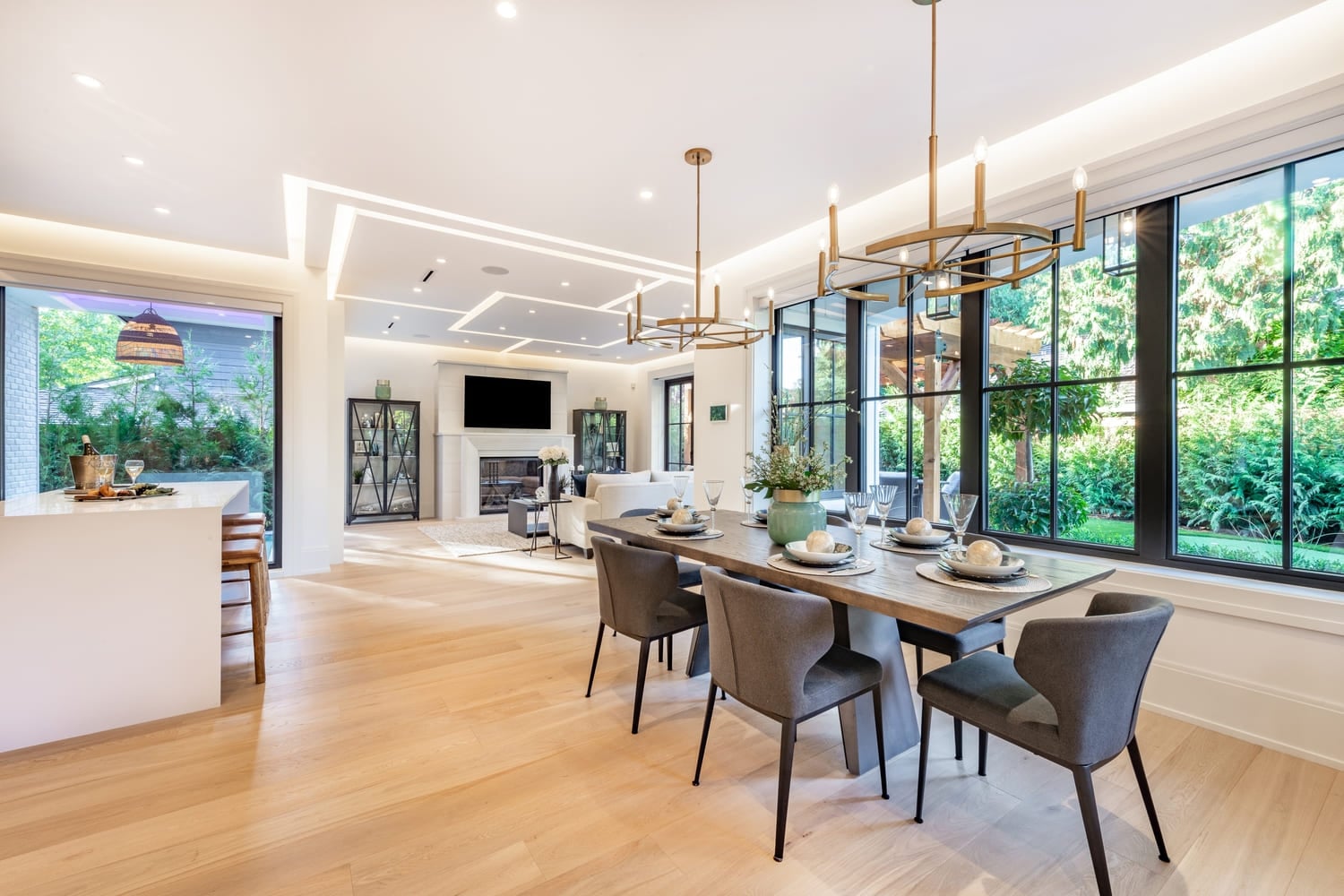
Modern homes can offer more open layouts, larger kitchens, better insulation, newer mechanical systems, and floor plans designed around how people live today.
For buyers who do not want to spend their first few years replacing major systems or planning renovations, that convenience has real value.
New construction can also be particularly attractive in Denver neighborhoods where buyers want an established location but prefer modern square footage and functionality.
However, there is an important caveat.
New does not automatically mean superior.
Some buyers focus so heavily on new finishes that they fail to look at how the home is actually constructed. That can become a problem when two seemingly similar new homes are priced similarly, but one reflects significantly better workmanship and material choices.
How to Evaluate the Quality of New Construction
Having renovated older homes, I have found that the experience changes how you look at new construction.
When you have spent time thinking about how walls are built, how materials come together, and what is involved in making a renovation work, you tend to look beyond the surface.
A dramatic light fixture or expensive-looking countertop can make an immediate impression. But those details should not distract from the larger questions.
For example:
- Does the layout actually work, or does it simply look good in photographs?
- Are the finishes consistent with the home's price point?
- Do the details appear thoughtfully executed?
- Does the home feel solid and well planned?
- Are there areas where the builder appears to have prioritized appearance over durability?
- How does the quality compare with other new homes competing for the same buyer?
This perspective is one reason renovation experience can be valuable when helping buyers assess new construction. Understanding older homes does not mean preferring old homes. It means developing an eye for construction, materials, design decisions, and the difference between a meaningful improvement and a purely cosmetic one.
Denver Location Changes the Equation
A new home and an older home should not be evaluated in isolation.
In Denver, neighborhood context can change the investment calculation considerably.
For example, an older home in a highly desirable, established area may benefit from limited supply and strong buyer demand for that specific neighborhood character. A new home nearby may command a premium because it offers modern amenities without requiring a buyer to compromise on location.
In Park Hill, this can become especially nuanced.
Buyers may value original architecture and historic character, but they also place significant value on functional square footage, updated kitchens, additional bathrooms, and modern primary suites. The best investment is often not found at either extreme.
A beautifully preserved home that lacks the functionality modern buyers expect may have a narrower audience. Conversely, a new or heavily renovated home that ignores the scale and character of its surroundings may not appeal to buyers who specifically chose the neighborhood for its architectural identity.
The goal is not simply to buy old or buy new.
The goal is to understand what the neighborhood's buyers value and whether the property delivers it.
Which One Has Better Resale Potential?
Resale value is often where buyers should think beyond their own preferences.
Ask yourself: Who is likely to buy this home from me in five, seven, or ten years?
A buyer who loves a sleek, modern new home today may later discover that the pool of future buyers is comparing it against newer properties with even more current features.
Meanwhile, an older home with timeless architecture may benefit from qualities that do not become outdated in the same way.
But older homes can also suffer at resale when major maintenance has been deferred or when a previous renovation feels dated.
The same principle applies to new construction. The most durable investments are often homes with a strong foundation of good design, quality construction, functional layouts, and a location that buyers continue to value.
Trends change. Good locations and good design tend to have longer staying power.
My Advice: Buy the Best Version of What You Want
If you are choosing between an old house and new construction in Denver, I would avoid making the decision based on age alone.
Instead, compare the properties through the same lens.
What is the location worth?
What work will the home need?
How good is the construction or renovation?
Does the layout work for the way you live?
Are you paying a premium for something meaningful, or simply for something new?
And perhaps most importantly, how does the property compare with what future buyers are likely to have available when you eventually sell?
The right older home can offer a combination of location, character, and long-term desirability that is difficult to replicate.
The right new home can provide convenience, efficiency, modern functionality, and fewer immediate maintenance concerns.
The wrong version of either can become expensive.
Whether you're buying, selling, or simply exploring your options in the Denver real estate market, I’m always happy to be a resource.
Get In Touch or Let's Connect.
Key Takeaways
- The better investment is not automatically the older home or the newer home. Location, quality, functionality, and future buyer demand usually matter more than age.
- Older Denver homes can offer scarcity, architectural character, and established neighborhood appeal, but buyers should carefully evaluate the condition of major systems and infrastructure.
- New construction can reduce near-term maintenance and provide modern layouts, but buyers should look beyond attractive finishes and assess the quality of construction.
- In neighborhoods such as Park Hill, buyers often value both historic character and modern functionality, making thoughtful renovations and well-designed new homes particularly important.
- Renovation experience can help buyers distinguish between cosmetic upgrades and meaningful construction quality, whether they are evaluating a 100-year-old bungalow or a newly built home.
- The strongest long-term investment is often the property that best matches what the neighborhood's future buyers are likely to value.
Frequently Asked Questions
Is an old house or new construction a better investment in Denver?
Neither is automatically better. A well-maintained older home in a desirable neighborhood can have strong long-term appeal, while high-quality new construction can offer modern functionality and lower near-term maintenance. The specific property and location matter more than age alone.
Are older homes in Denver more expensive to maintain?
They can be, particularly when major systems or infrastructure have been deferred. However, an older home that has been thoughtfully maintained and updated may be more predictable to own than a poorly built newer property.
Does new construction hold its value better than an older home?
Not necessarily. New construction can command a premium, but future resale depends on location, design, build quality, and competing inventory. Older homes with strong architectural character can also maintain significant buyer appeal.
What should I look for when buying new construction?
Look beyond finishes. Consider the builder's attention to detail, layout, materials, functionality, consistency of workmanship, and how the home compares with other properties at the same price point.
What makes an older Denver home a good investment?
A desirable location, architectural character, sound condition, thoughtful updates, and functional improvements can all strengthen an older home's long-term appeal.
Is it better to renovate an old house or buy a new one?
That depends on your budget, timeline, tolerance for disruption, and goals. Renovation can allow you to combine an established location with a home tailored to your preferences, but it also requires careful planning and realistic expectations.x
Check out this article next
