



Buyers are moving beyond trendy renovations and looking for homes with soul
Spend one Saturday touring renovated homes around Denver and you'll start noticing something interesting.
After the fifth or sixth house, they begin to feel strangely familiar.
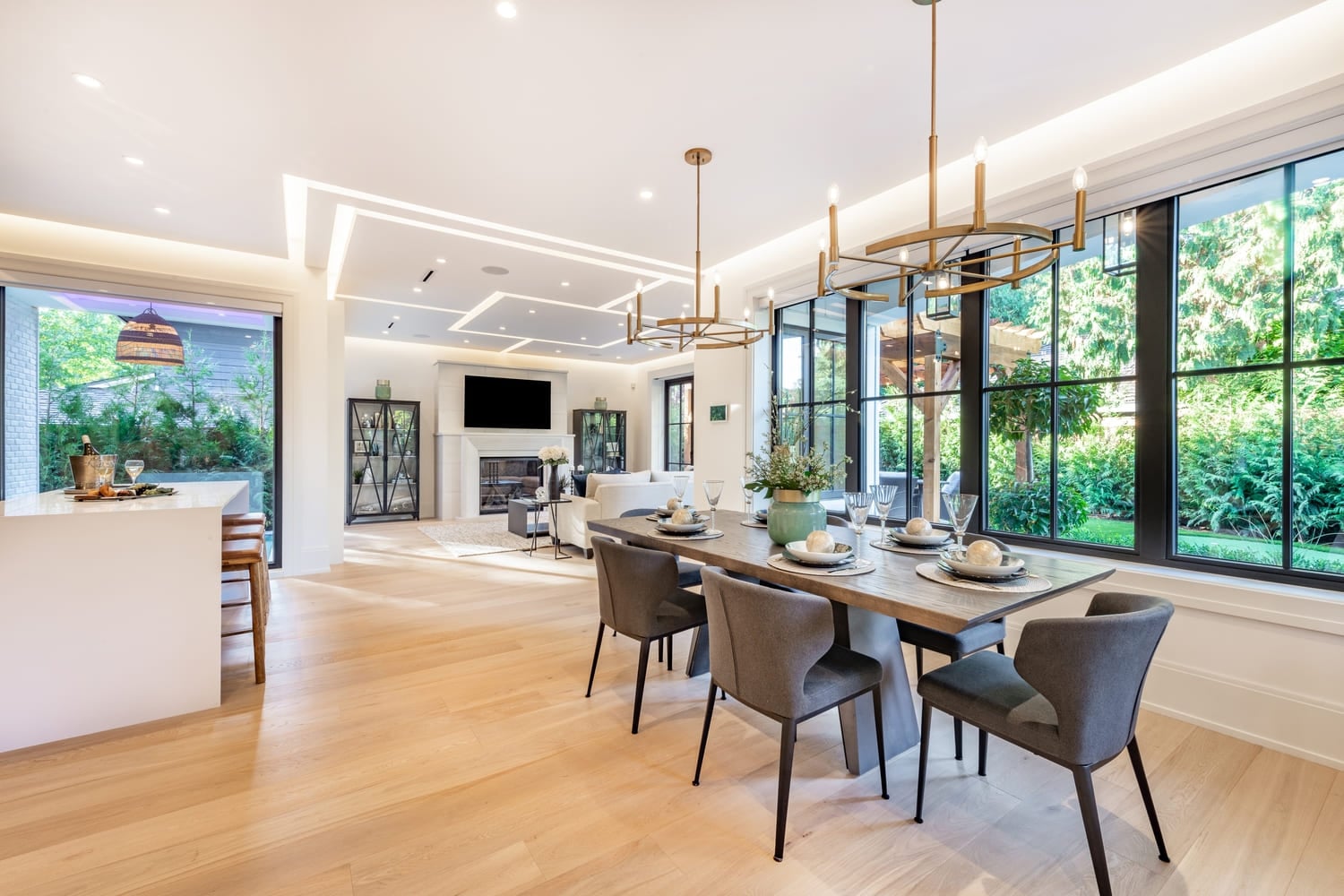
White oak floors.
Warm white walls.
A waterfall island.
Quartz countertops.
Black hardware.
Beautiful? Absolutely.
Memorable? Not anymore.
Over the past decade, we've watched interior design evolve from the cold gray palette that dominated the late 2010s toward warmer woods, natural materials and softer colors. It was a welcome change. Homes became warmer, more inviting and far more livable.
But after renovating homes myself, touring hundreds of properties with buyers every year and watching how buyers react during showings, I believe we're entering the next chapter.
Buyers are no longer looking for homes that simply feel updated.
They're looking for homes that feel authentic.
That may sound subtle, but I believe it will become one of the defining real estate trends of 2027.
The Pinterest Flip Has Run Its Course
For years, the safest renovation strategy was simple.
Create something as neutral as possible.
Appeal to the broadest audience.
Avoid taking design risks.
That philosophy produced thousands of successful renovations across the country, but eventually something unexpected happened.
Every renovated home started looking the same.
Today, buyers have seen the oversized islands, the floating shelves, the white oak flooring and the matte black fixtures hundreds of times.
The problem isn't that these elements are unattractive.
The problem is that they no longer create an emotional connection.
When every home follows the same design playbook, buyers stop remembering individual homes.
Ironically, playing it safe has become one of the biggest risks.
Buyers Don't Want Perfect. They Want Personality.
One of the biggest changes I'm seeing is that buyers are becoming more confident in homes with personality.
Instead of perfectly coordinated spaces, they're drawn to homes that feel collected over time.
They're appreciating handcrafted tile with natural variation instead of machine-perfect surfaces.
They're embracing wallpaper that adds texture and depth.
They're layering lighting instead of relying on one style throughout the house.
They're choosing rich drapery, curated artwork and vintage pieces that tell a story.
They're mixing finishes instead of making everything match.
Most importantly, they're gravitating toward homes that feel like someone thoughtfully designed them specifically for that house rather than selecting finishes from the latest renovation trend board.
Authenticity has become aspirational.
Good Design Should Feel Like It Belongs There
This is especially true throughout Denver's historic neighborhoods.
Park Hill.
Congress Park.
Washington Park.
Berkeley.
Hilltop.
Many of these homes have already done the hard work.
They have incredible bones.
Original fireplaces.
Solid wood doors.
Detailed millwork.
Leaded glass windows.
Built-ins.
Beautiful proportions.
The best renovations don't erase those details.
They celebrate them.
When I'm evaluating a renovation, I rarely ask whether something is trendy.
Instead, I ask a much more important question.
Does this feel like it belongs here?
If the answer is yes, the home almost always feels timeless.
What 1728 Jasmine Street Taught Me
One of the best examples of this philosophy was our recent renovation at 1728 Jasmine Street in Park Hill.
From the very beginning, we made a conscious decision that we weren't going to create another Pinterest flip.
We weren't interested in checking every design trend box simply because it was popular.
Instead, we asked ourselves a different question.
If this home had been thoughtfully updated over the past seventy years instead of completely reinvented in six months, what would it look like today?
That single question shaped every design decision we made.
Rather than replacing character, we highlighted it.
Rather than making every room perfectly coordinated, we layered materials, colors and textures that felt collected over time.
We selected handcrafted tile instead of mass-produced patterns.
We embraced wallpaper where it added warmth and personality.
We introduced thoughtful color palettes that complemented the architecture instead of overwhelming it.
We incorporated lighting, cabinetry and finishes that respected the home's original character rather than competing with it.
Every decision was intentional.
Our objective wasn't simply to create a beautiful house.
It was to create a home that buyers couldn't stop thinking about after they left.
The response exceeded even our expectations.
The home generated extraordinary interest almost immediately after hitting the market.
Showings were constant.
Conversations lasted longer.
Buyers lingered in rooms rather than rushing through them.
The feedback was remarkably consistent.
People didn't simply describe the home as beautiful.
They described it as special.
Thoughtful.
Warm.
Different from everything else they'd seen.
Most importantly, those emotional reactions translated directly into market performance.
1728 Jasmine Street ultimately achieved a record price per square foot for a ranch in Park Hill.
For me, that wasn't simply a successful sale.
It was confirmation that buyers are placing an increasing premium on authenticity.
The homes that create an emotional connection are the homes buyers fight for.
Timeless Will Always Beat Trendy
One of the biggest misconceptions about design is that timeless means playing it safe.
I don't believe that's true.
Timeless design isn't about avoiding personality.
It's about making choices that feel appropriate for the architecture.
That may mean a dramatic wallpaper.
A handcrafted Moroccan tile.
A vintage light fixture.
An unexpected paint color.
Or restoring original millwork instead of replacing it.
These choices aren't memorable because they're expensive.
They're memorable because they feel intentional.
That's what buyers remember.
And that's what creates value.
What This Means if You're Renovating Before Selling
If you're considering updating your home before putting it on the market, don't assume that copying the latest social media trend will maximize your return.
Instead, ask yourself a different question.
What would make this home feel like the very best version of itself?
Sometimes that means restoring original details instead of removing them.
Sometimes it means adding color instead of another white wall.
Sometimes it means investing in craftsmanship instead of square footage.
The goal isn't to impress everyone.
The goal is to create something unforgettable.
Because unforgettable homes create emotional competition.
And emotional competition often leads to stronger offers.
Why This Matters in Denver Real Estate
One of the biggest misconceptions in real estate is that buyers make decisions based solely on square footage, finishes and price.
Those things matter.
But after years of helping clients buy, sell and renovate homes throughout Denver, I've learned that the strongest offers are often driven by something much less measurable.
Emotion.
Understanding why buyers fall in love with a home helps homeowners make smarter renovation decisions before they sell. It also helps buyers recognize homes with long-term value that others may overlook.
As a Park Hill resident and Realtor with the FORM Team at Compass Denver, I bring more than market statistics to my clients. I bring firsthand experience renovating homes, understanding architecture and seeing exactly how thoughtful design influences buyer behavior in today's market.
Whether you're preparing to renovate before selling, searching for a historic Denver home or simply wondering where the market is headed, I'd be happy to share what I'm seeing and connect you with my trusted network of architects, designers, contractors and craftspeople.
Your Key to Park Hill's Finest Properties.
Key Takeaways
- The biggest interior design trend for 2027 is authenticity, not another specific finish or color.
- Buyers are becoming less interested in formulaic renovations and more attracted to homes with personality, craftsmanship and thoughtful design.
- Historic Denver homes often command stronger buyer interest when renovations respect their original architecture.
- Layered interiors, curated materials, handmade finishes and intentional color palettes are replacing perfectly matched spaces.
- Emotional connection has become a significant driver of buyer demand and premium pricing.
- The renovation and sale of 1728 Jasmine Street demonstrated this philosophy, achieving a record price per square foot for a ranch in Park Hill by embracing authenticity over predictable design trends.
Frequently Asked Questions
What is the biggest interior design trend for 2027?
Authenticity. Buyers are increasingly looking for homes that feel unique, curated and connected to the home's original architecture rather than following generic renovation trends.
Are buyers moving away from gray and all-white interiors?
Yes. While warm neutrals remain popular, buyers are embracing richer colors, layered textures, wallpaper, handcrafted materials and homes with more personality.
Do thoughtful renovations increase resale value?
They certainly can. Renovations that complement a home's architecture and create an emotional connection with buyers often outperform formulaic updates that simply follow current trends.
Why are historic homes becoming more desirable?
Many buyers appreciate original craftsmanship, architectural details and the sense of permanence that older homes provide. Sensitive renovations that preserve those features are increasingly valued.
Should I renovate before selling my Denver home?
Every home is different. Strategic updates can significantly increase buyer interest and value, but it's important to invest in improvements that fit the home's character and appeal to today's buyers. Working with a Realtor who understands both renovation strategy and buyer preferences can help maximize your return.
Check out this article next
