

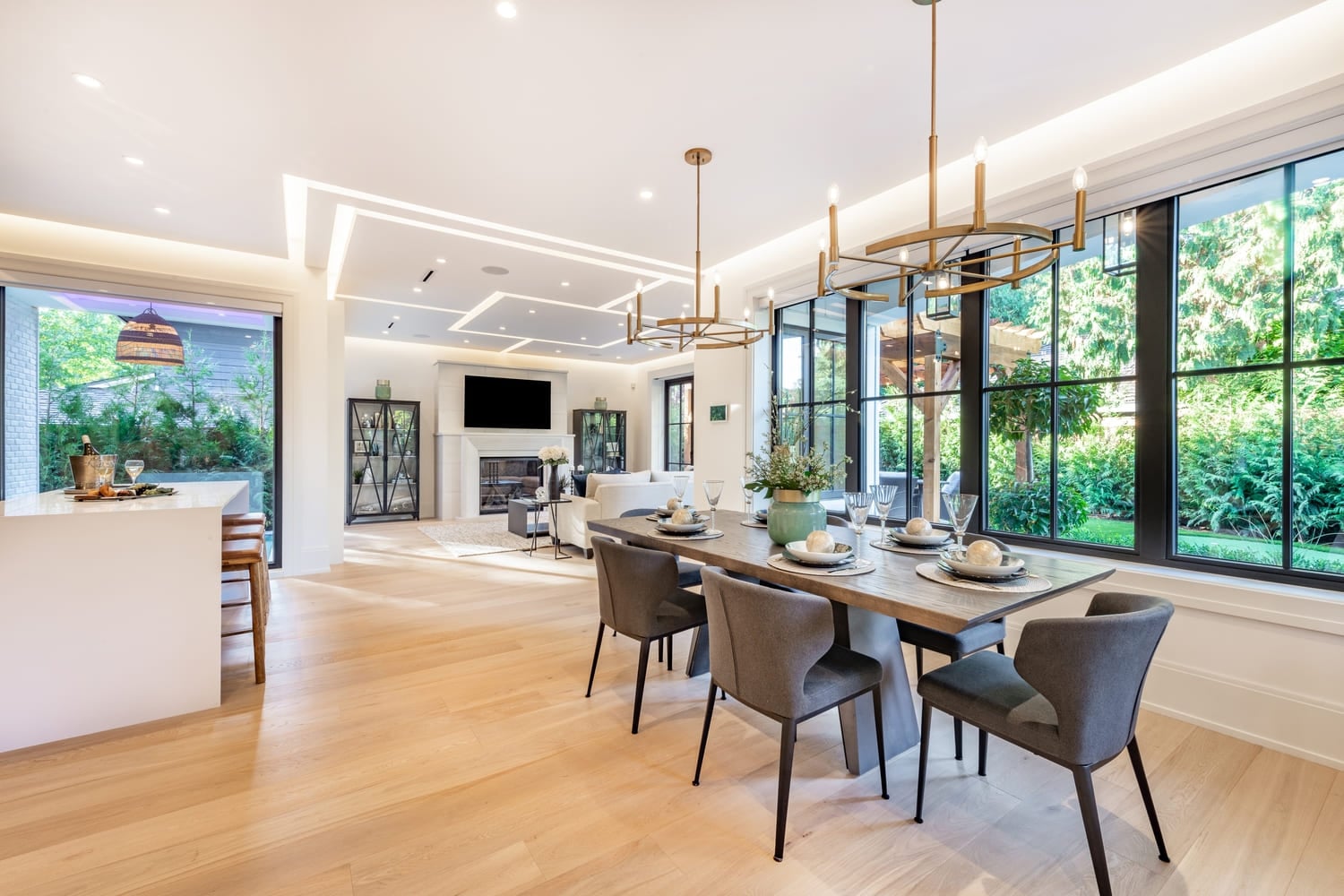


The lessons that changed the way I renovate, buy, and sell historic homes.
Every time I walk through a beautifully renovated home in Park Hill, I find myself asking the same question:
Did they improve the house, or did they simply make it newer?
There's a big difference.
Long before I became a Realtor, remodeling old homes became a passion of mine. My wife and I spent years buying and renovating older houses throughout Denver. We made plenty of mistakes, uncovered more surprises than I can count, and learned lessons that no HGTV show could have taught us.
Today, as a Park Hill resident and Realtor with the FORM Team at Compass Denver, I get to tour hundreds of homes every year. Some have been renovated beautifully. Others have had hundreds of thousands of dollars invested into them without actually making the home better.
That's probably the biggest lesson I've learned.
A successful remodel isn't measured by how much money you spend. It's measured by how much better the home lives.
If you're thinking about remodeling a home in Park Hill, or buying one that's already been renovated, here are some of the biggest lessons I've learned along the way.
Preserve the Character. Modernize the Lifestyle.
The biggest mistake I see isn't outdated kitchens.
It's homeowners removing the very features that make Park Hill homes so desirable.
Original oak floors.
Beautiful built-ins.
Arched doorways.
Wood-burning fireplaces.
Leaded glass windows.
Solid wood trim.
These homes have personality because they were built during a time when craftsmanship mattered.
Modern buyers still want updated kitchens and bathrooms, but they also want authenticity. The homes that command the highest prices are usually the ones that strike the right balance between old and new.
I've always believed the goal isn't to erase history.
It's to make a hundred-year-old home function like it was designed for today's lifestyle while preserving the character that made you fall in love with it in the first place.
A Great Architect Will Completely Change Your Thinking
This is probably the best money you'll spend during a major remodel.
Most homeowners begin with a pretty clear vision.
"Let's remove this wall."
"We'll expand the kitchen."
"We'll add a bedroom."
Those are good ideas.
A great architect takes those ideas and completely reimagines what's possible.
I've gone into projects convinced I knew the best layout, only to watch an architect sketch something I never would have considered. Suddenly, natural light improves, traffic flow makes more sense, sightlines open up, and the house feels dramatically larger without adding nearly as much square footage as I originally thought was necessary.
Great architects aren't simply drawing plans.
They're solving problems you didn't know existed.
If you're making a significant investment into your home, don't hire someone to draw what you've already imagined.
Hire someone who can imagine something better.
Square Footage Doesn't Create Value. The Right Square Footage Does.
People often assume adding square footage automatically increases value.
That's only half true.
I've seen homeowners spend hundreds of thousands of dollars adding space that didn't meaningfully improve how the home functioned.
I've also seen relatively modest additions completely transform both the home's livability and its resale value.
Some of the highest-impact projects I've seen include:
- Adding a true main-floor primary suite.
- Expanding a tight kitchen to create a connected family room.
- Creating better indoor-outdoor flow.
- Adding a functional mudroom.
- Designing spaces where families naturally gather.
Today's buyers aren't simply looking for bigger homes.
They're looking for homes that make everyday life easier.
One thoughtful addition can move a home into an entirely different category of buyer appeal and price point because it now competes with properties it couldn't before.
That's a much smarter investment than simply chasing square footage.
Good Bones Beat Beautiful Finishes Every Time
I've walked through enough homes to know that fresh paint can hide a lot.
Beautiful staging.
Designer lighting.
Brand-new cabinets.
Those things are relatively easy to change.
What matters is everything buyers can't immediately see.
Foundation movement.
Drainage.
Roof condition.
Old sewer lines.
Electrical systems.
HVAC.
Water intrusion.
I've shown buyers homes with outdated kitchens that were fantastic investments because the expensive work had already been done.
I've also toured homes that looked straight out of a design magazine but had six figures of deferred maintenance hiding underneath.
Pretty finishes don't create great houses.
Strong fundamentals do.
Every Wall Has a Story
If you've never remodeled an older home, here's one thing you should expect.
The moment demolition begins, the house starts talking.
Sometimes that's a good thing.
Sometimes it isn't.
Behind walls I've found abandoned plumbing, questionable electrical work, missing insulation, water damage, structural modifications from decades ago, and more "creative" homeowner repairs than I could possibly count.
Older homes reward flexibility.
The best remodels aren't the ones that stick rigidly to the original plan.
They're the ones where the homeowner and contractor adapt intelligently as new information is uncovered.
Always budget for surprises.
Because there will be surprises.
Don't Let Your House Look Like Every Other Flip
One thing I've noticed over the past few years is that renovated homes are beginning to feel...predictable.
White oak floors.
White shaker cabinets.
White quartz countertops.
Black hardware.
Repeat.
Timeless design is important.
But memorable design sells homes.
Some of my favorite renovations include spaces that make buyers stop and smile.
A powder room wrapped in bold wallpaper.
Beautiful handmade tile with texture and color.
An unexpected paint color in a library or office.
Lighting that becomes artwork.
Warm wood tones mixed with natural stone instead of another all-white kitchen.
The goal isn't to be trendy.
The goal is to create moments people remember.
Buyers tour a lot of homes.
The ones that earn the strongest offers are usually the ones that create an emotional connection.
Don't be afraid to give your home some personality.
Just make sure it's intentional.
Renovations Should Be Designed for the Next Owner Too
Whenever I remodel a home, I ask myself one question.
"If I sold this five years from now, what would buyers appreciate?"
That mindset changes everything.
It keeps you from chasing short-term design trends.
It helps prioritize investments that actually increase marketability.
And it reminds you that a home is both a place to live and one of the largest financial investments most people will ever make.
The best renovations improve your daily life while making the home more appealing to the next buyer.
When those two goals align, you've probably made the right decision.
Remodeling Has Made Me a Better Realtor
People often ask what sets one Realtor apart from another.
For me, it's not just knowing the market.
It's understanding the homes themselves.
When I'm touring properties with buyers, I'm evaluating much more than finishes.
I'm thinking about what walls can move.
Whether that basement could become additional living space.
How difficult it would be to create a primary suite.
Whether that awkward kitchen has real potential.
Or whether a renovation simply isn't worth the investment.
That perspective comes from years of getting my hands dirty, making mistakes, solving problems, and learning what truly adds value.
It's also why I enjoy helping clients think beyond the house they're standing in and envision what it could become.
Key Takeaways
If you're considering remodeling a home in Park Hill or buying one that's already been renovated, here are the lessons I believe matter most:
- Preserve original architectural character whenever possible because it's one of the biggest drivers of value in historic neighborhoods.
- Invest in a talented architect early. Great design often creates more value than additional square footage.
- Focus on adding functional living space, such as a main-floor primary suite or an expanded kitchen and family room, instead of simply making the house bigger.
- Prioritize structural integrity and major systems before cosmetic finishes.
- Expect surprises behind the walls and build a realistic contingency into your renovation budget.
- Create memorable interior spaces with thoughtful materials, color, and lighting instead of following every design trend.
- Think about how future buyers will experience the home, not just how it looks today.
- Work with professionals who understand both historic Denver homes and today's real estate market.
Thinking About Buying, Selling, or Remodeling in Park Hill?
One of the things I enjoy most about being a Realtor is helping clients see what's possible.
Sometimes that means identifying a home with incredible renovation potential before anyone else recognizes it. Other times it means helping a seller decide which improvements will deliver the strongest return before listing.
Because I've spent years remodeling older Denver homes and now tour hundreds of properties throughout Park Hill every year, I can offer advice that goes beyond comparable sales and market statistics. I can help you understand how a home functions, what improvements are worth considering, and where your renovation dollars are likely to have the greatest impact.
If you're considering buying, selling, or remodeling in Park Hill, I'd be happy to share my perspective, review your plans, or connect you with the architects, designers, contractors, and tradespeople I've come to trust over the years.
David Krohne
Park Hill Realtor | FORM Team at Compass Denver
Your Key to Park Hill's Finest Properties.
Frequently Asked Questions
What renovations add the most value in Park Hill?
Projects that improve how a home functions tend to deliver the greatest return. Expanding kitchens, creating connected living spaces, adding a main-floor primary suite, finishing basements, and preserving original architectural details are consistently among the most valuable improvements.
Should I hire an architect for my remodel?
For any major renovation, absolutely. A talented architect often uncovers layout solutions and design opportunities that homeowners would never consider on their own, helping maximize both livability and resale value.
Is adding square footage always worth it?
Not necessarily. Strategic square footage is far more valuable than simply making a home larger. Buyers place a premium on functional spaces that improve everyday living.
How can I modernize my home without losing its character?
Focus on preserving original architectural elements while updating the home's layout, mechanical systems, kitchen, and bathrooms. The most successful renovations celebrate a home's history rather than erase it.
Can David Krohne recommend architects and contractors?
Yes. Through years of remodeling homes and helping clients throughout Park Hill and Denver, David has built relationships with trusted architects, contractors, designers, and tradespeople. If you're planning a renovation, he's happy to make introductions and help you build the right team.
Check out this article next
