



Authenticity is Winning. Here's Why It Matters More Than Ever.
For the better part of a decade, home renovations have followed a familiar formula.
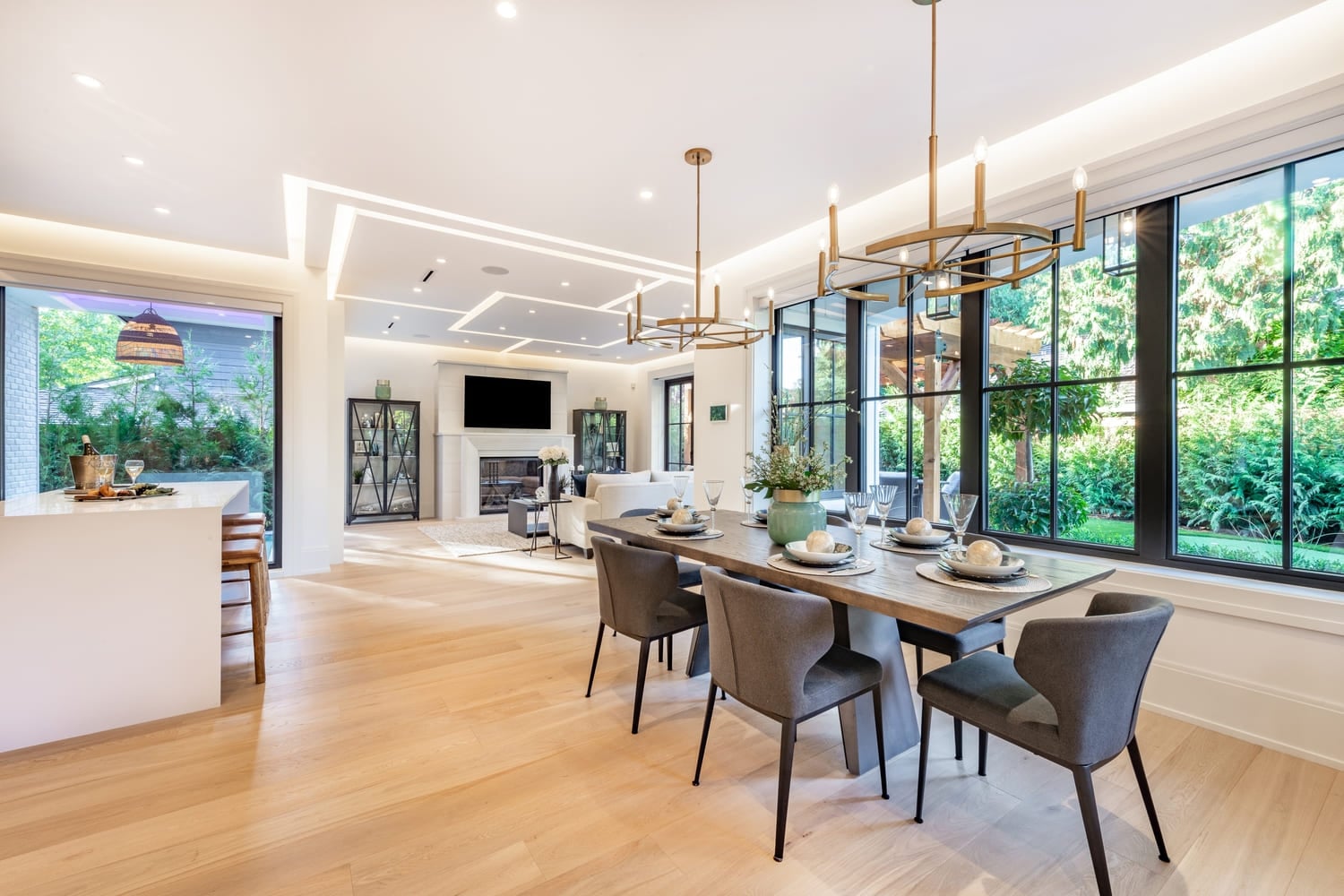
White oak flooring. White shaker cabinets. Matte black hardware. Neutral paint. Quartz countertops. A few arches. Plenty of beige. Plenty of texture.
To be fair, it was a welcome departure from the sea of gray interiors that dominated the early 2010s. Compared to the era of gray laminate floors, gray walls, and gray cabinetry, today's homes certainly feel warmer and more inviting.
But there is another shift quietly happening beneath the surface, and it is one that every homeowner planning a renovation in 2027 should pay close attention to.
The homes generating the strongest emotional response from buyers are no longer the ones that look like every other renovation on Instagram.
They are the homes that feel authentic.
As a Denver Realtor, Park Hill resident, and someone who has spent years renovating older homes, I have seen firsthand how thoughtful design consistently creates stronger buyer demand. Buyers are increasingly searching for homes with personality, craftsmanship, and spaces that feel intentionally designed for that specific home rather than copied from the latest trend.
The result is a home that photographs better, shows better, and often commands stronger offers.
Designing a Home That Could Only Exist There
The biggest trend heading into 2027 is not a particular cabinet color or faucet finish.
It is designing a home that feels as though it could only exist in that house.
Older Denver neighborhoods like Park Hill, Crestmoor, Hilltop, Washington Park, and Berkeley are filled with homes that each have their own architectural personality. Renovations should celebrate that individuality rather than erase it.
A Tudor should not feel like a modern farmhouse.
A 1920s bungalow should not feel like a suburban new build.
A mid-century ranch should embrace clean lines and warm materials rather than forcing traditional detailing where it does not belong.
The most memorable renovations work with the home's architecture instead of against it.
That authenticity is becoming one of the defining characteristics of luxury renovations across Denver.
Handmade Materials Create Lasting Character
Mass-produced materials often look exactly that.
Mass-produced.
Instead, homeowners are gravitating toward finishes that tell a story.
Beautiful handmade tile with subtle imperfections adds warmth and depth that machine-perfect products simply cannot replicate.
Natural stone with movement and variation feels timeless.
Handmade ceramic sinks, artisan plaster walls, reclaimed wood beams, and handcrafted millwork all create spaces that feel layered instead of manufactured.
These materials may not always be the least expensive option, but they create homes that buyers remember long after a showing ends.
Color is Finally Back
Perhaps the biggest design change coming into 2027 is confidence.
Homeowners are becoming much more willing to embrace color.
That does not necessarily mean every room should be dramatic. Instead, designers are using carefully selected colors that complement the architecture and create emotion.
Expect to see more cabinetry in rich forest greens, warm maroons, dusty pinks, deep navy blues, muted olive tones, and earthy clay colors.
These palettes feel sophisticated because they are balanced with natural materials, warm wood tones, limestone, unlacquered brass, and beautiful lighting.
Rather than creating a monochromatic home, designers are creating homes with personality.
The Return of Collected Interiors
One of my favorite trends is the move away from furniture sets.
Instead of purchasing everything from one showroom, homeowners are creating spaces that look collected over time.
A contemporary sofa from West Elm might sit beside an antique oak side table.
A Restoration Hardware dining table may be paired with vintage European dining chairs.
Modern artwork can hang above an antique chest.
Vintage lamps often add far more personality than anything purchased new.
The result is a home that feels curated rather than decorated.
Buyers notice the difference immediately.
English Influence is Everywhere
Some of the most beautiful kitchens and bathrooms today draw inspiration from traditional English homes.
Think unlacquered brass faucets that naturally develop character over time.
Antique-inspired bridge faucets.
Classic cup pulls.
Beautiful marble with visible movement.
Furniture-style vanities.
Layered lighting.
Natural linen window treatments.
Traditional details are being interpreted through a modern lens, creating spaces that feel timeless rather than trendy.
Wallpaper Has Officially Returned
Wallpaper is no longer reserved for powder rooms.
Designers are using beautiful botanical prints, textured grasscloth, murals, and subtle patterns throughout entire homes.
When thoughtfully selected, wallpaper creates an emotional response that paint simply cannot match.
It also provides homeowners with an opportunity to create memorable spaces that buyers remember long after touring dozens of homes.
The key is selecting wallpaper that complements the architecture rather than competes with it.
Lighting is Becoming the Jewelry of the Home
Lighting has become one of the easiest ways to elevate a renovation.
Rather than relying exclusively on recessed lighting and builder-grade pendants, homeowners are investing in statement fixtures that become focal points.
Antique chandeliers.
Vintage sconces.
Large linen pendant lights.
Decorative library lights.
Beautiful table lamps.
Layered lighting creates warmth while adding visual interest throughout the day.
Many of the best renovations I have seen incorporate antique or vintage fixtures that instantly make a home feel more established.
Don't Be Afraid to Be Bold
For years, homeowners were encouraged to play it safe because they worried about resale.
Ironically, playing it too safe has become one of the quickest ways for a home to blend into the competition.
The homes attracting the most attention today often include thoughtful moments of surprise.
A dramatic wallpaper.
A rich green study.
A beautiful blue pantry.
Unexpected artwork.
Colorful cushions.
Warm leather seating paired with vibrant blues, mustard yellows, forest greens, and natural textures.
These choices create emotional connections that generic renovations rarely achieve.
The goal is not to overwhelm buyers.
The goal is to make them remember your home.
What This Means for Denver Homeowners
If you are planning a renovation in Denver, particularly in neighborhoods like Park Hill where architectural character matters, my advice is simple.
Do not renovate for trends.
Renovate for authenticity.
Ask yourself what makes your particular home unique and find ways to celebrate those original details.
Invest in craftsmanship.
Choose materials that improve with age.
Mix old with new.
Use color with confidence.
Most importantly, create a home that feels intentional rather than copied.
That is what buyers are responding to today, and I believe that trend will only continue through 2027 and beyond.
As someone who has renovated homes and helped buyers and sellers throughout Denver, I have consistently seen thoughtfully designed homes outperform generic renovations. Distinctive homes create stronger emotional connections, generate more conversation during showings, and frequently attract more competitive offers.
If you are considering renovating before selling, or simply want advice on which improvements will add the most value in today's Denver market, I would be happy to help. David Krohne and the FORM Team at Compass Denver work with trusted architects, designers, contractors, and craftspeople throughout the city. Whether you need a vendor recommendation or want to understand which renovations make the biggest impact on resale, we're always happy to be a resource.
Your Key to Park Hill's Finest Properties.
Key Takeaways
- Authentic, curated interiors are replacing one-size-fits-all renovations.
- Homes that respect their original architecture create stronger emotional appeal.
- Handmade materials, artisan craftsmanship, and vintage elements are becoming increasingly desirable.
- Rich cabinet colors, layered lighting, wallpaper, and collected furnishings help homes stand out.
- Mixing modern furniture with antiques creates timeless interiors buyers remember.
- Thoughtful renovations often generate stronger buyer interest and can improve resale value in competitive Denver neighborhoods.
- Homeowners should renovate with authenticity rather than simply following trends.
Frequently Asked Questions
What interior design trends will be most popular in 2027?
Authenticity, curated interiors, handcrafted materials, colorful cabinetry, vintage lighting, wallpaper, and homes designed specifically around their architecture are expected to dominate.
Are white kitchens going out of style?
Not entirely, but many homeowners are moving toward warmer, more personalized kitchens featuring natural wood, painted cabinetry, unlacquered brass hardware, and statement lighting.
Does interior design affect home value?
Absolutely. While functional updates remain important, thoughtful design helps create emotional buyer connections, leading to stronger interest and often more competitive offers.
What cabinet colors are trending in 2027?
Forest green, olive, navy, maroon, dusty pink, warm taupe, and other natural earth-inspired tones are becoming increasingly popular.
Should I renovate before selling my Denver home?
It depends on your home's condition, neighborhood, and budget. A knowledgeable Realtor can help identify improvements that are most likely to produce a positive return on investment before listing.
Check out this article next
