

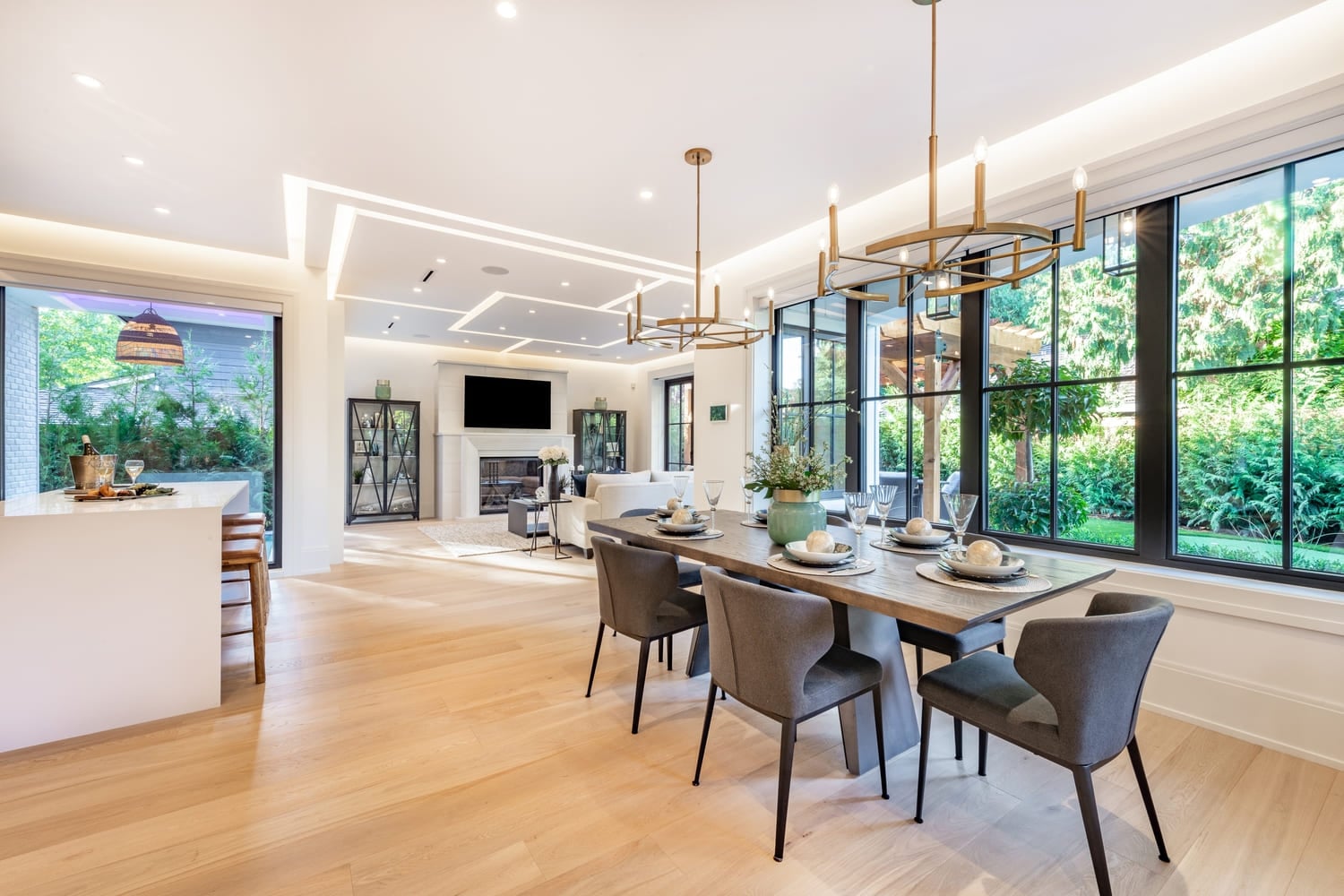


There is something special about owning a historic home in Denver.
The craftsmanship, architectural details, mature trees, and connection to the city's history create a sense of character that simply cannot be replicated in new construction. From the Victorian homes of Baker and Potter Highlands to the Denver Squares of Curtis Park and the elegant residences of Country Club and Alamo Placita, Denver's historic neighborhoods offer a lifestyle that continues to attract buyers from across the country.
But renovating a historic home requires a different approach than remodeling a newer property.
Many homeowners begin with questions like:
- Can I replace my windows?
- Can I add square footage?
- Do I need approval before starting construction?
- Are there tax credits available?
- How do I maintain the home's original character while creating a modern living space?
Having renovated older homes myself and helped clients buy and sell properties throughout Denver, I understand both the excitement and complexity that comes with these projects.
The most successful historic renovations are not about making an old home feel new. They are about respecting the home's original character while creating a space that works beautifully for today's lifestyle.
Here is what Denver homeowners should know before beginning a historic renovation.
First, Understand Whether Your Home Is Actually in a Historic District
One of the biggest misconceptions I encounter is that every older home in Denver is considered a historic property.
That is not the case.
Denver has many neighborhoods filled with beautiful older homes, but only certain areas have been officially designated as Denver Landmark Historic Districts.
Some of the most recognizable historic districts near downtown include:
- Baker
- Curtis Park
- Potter Highlands
- Lower Downtown (LoDo)
- Country Club
- Alamo Placita
- Wyman Historic District
- East Seventh Avenue Historic District
Homes located within these districts may have additional requirements when making exterior changes.
It is important to understand the difference between a historic neighborhood and a designated historic district.
For example, neighborhoods like Park Hill, Washington Park, Congress Park, Berkeley, and City Park contain many beautiful historic homes, but they are not generally designated Denver Landmark Historic Districts.
This distinction matters because renovation requirements can vary significantly depending on the property's designation.
Before purchasing an older home or planning a major renovation, one of the first questions to answer is:
Is this property located within a designated historic district?
Denver Landmark Preservation provides resources to help homeowners understand historic designation and renovation requirements:
Start With the Right Architect
If there is one lesson I have learned from renovating homes, it is this:
A great architect is worth every penny.
Many homeowners begin by focusing on finishes. They collect inspiration photos for kitchens, bathrooms, lighting, and flooring.
Those details matter, but the biggest opportunities usually come from thoughtful planning of the home's layout.
A talented architect can help you see possibilities you may never have considered.
They can help you:
- Improve the home's functionality
- Design additions that feel original
- Preserve important architectural details
- Navigate historic preservation requirements
- Maximize the home's long-term value
I have seen architects completely transform older homes by finding creative solutions that homeowners never imagined.
The best historic renovations feel like they were always meant to be there.
What Is a Certificate of Appropriateness?
If your home is located within a designated Denver Landmark Historic District, you may need a Certificate of Appropriateness, commonly called a COA.
A COA is approval from Denver Landmark Preservation confirming that proposed exterior changes are appropriate for the historic character of the property and neighborhood.
Projects that often require approval include:
- Exterior additions
- Window replacement
- Porch changes
- Garage construction
- Exterior doors
- Siding or masonry changes
- Certain roofing modifications
- Fencing changes
Most interior renovations do not require Landmark approval unless they impact protected historic features.
One common mistake homeowners make is starting construction planning before understanding whether approval is required.
Addressing this early can prevent costly redesigns and delays.
Meet With Landmark Preservation Early
If your home is located within a designated historic district, it is beneficial to involve Denver Landmark Preservation early in the design process.
Many homeowners wait until their plans are complete before asking for feedback.
That can create unnecessary frustration.
Early conversations can help identify potential concerns before significant money has been invested in architectural drawings and construction planning.
The goal of historic preservation is not to prevent homeowners from improving their properties.
The goal is to protect the craftsmanship and architectural details that make Denver's historic neighborhoods so desirable.
Understanding Historic Preservation Tax Credits
One of the biggest opportunities available to owners of qualifying historic properties is the potential for historic preservation tax credits.
These programs are designed to encourage the rehabilitation of historically significant properties while helping offset some renovation costs.
However, it is important to understand that not every older home qualifies.
Eligibility depends on several factors, including:
- Whether the property is individually designated
- Whether it is located within a qualifying historic district
- The type of rehabilitation work being completed
- Whether the project follows approved preservation standards
The application process generally includes several steps.
Step 1: Confirm Eligibility Before Construction Begins
This is one of the most important parts of the process.
Homeowners should determine eligibility before starting major work.
Applications typically require:
- Photos of existing conditions
- Project descriptions
- Architectural drawings
- Proposed rehabilitation plans
- Documentation showing how historic features will be preserved
Step 2: Complete Work According to Preservation Standards
Approved projects must follow preservation guidelines.
This is why hiring professionals who understand historic homes is so important.
An experienced architect and contractor can help balance modernization with preservation.
Step 3: Submit the Completed Project for Final Certification
After construction is complete, homeowners submit documentation showing the finished work.
If approved, the owner receives certification needed to claim the available tax credit.
Homeowners considering this process should consult both their architect and tax advisor before beginning work.
For more information:
History Colorado Historic Preservation Tax Credits
A separate federal historic rehabilitation tax credit program also exists, although it primarily applies to income-producing properties rather than owner-occupied single-family homes.
Preserve Character While Adding Modern Functionality
The best historic renovations balance preservation with modern living.
Today's buyers want homes with character, but they also want:
- Functional kitchens
- Better storage
- Updated bathrooms
- Efficient mechanical systems
- Comfortable living spaces
- Strong indoor-outdoor connections
The details that make historic homes special often include:
- Original hardwood floors
- Built-in cabinetry
- Decorative fireplaces
- Leaded glass windows
- Historic trim
- Classic front porches
These elements create emotional connections with buyers.
They are often the difference between a house that simply works and a home that people fall in love with.
Renovate With Resale Value in Mind
Even if you plan to stay in your home for many years, it is worth considering how future buyers will view your renovation.
The strongest projects are rarely the ones that completely transform a historic home into something unrecognizable.
They are the projects that respect the home's original architecture while improving the way people live today.
That balance creates long-term value.
Key Takeaways
- Not every older Denver home is located within a designated historic district.
- Historic districts near downtown include Baker, Curtis Park, Potter Highlands, LoDo, Country Club, Alamo Placita, and Wyman Historic District.
- Exterior renovations within designated historic districts may require a Certificate of Appropriateness.
- Homeowners should understand preservation requirements before beginning construction.
- Hiring an architect with historic renovation experience can improve both design quality and approval timelines.
- Historic tax credits may be available for qualifying properties, but homeowners should apply before beginning major rehabilitation work.
- The best historic renovations preserve original character while adding modern functionality.
- A knowledgeable Denver Realtor can help buyers understand renovation potential before purchasing an older home.
How This Connects to Denver Real Estate
Denver's historic homes continue to be some of the city's most desirable properties because they offer something that cannot be recreated: craftsmanship, authenticity, and neighborhood character.
Whether you are searching for a historic property to renovate, preparing to sell a beautifully restored home, or trying to understand the potential of an older property, having the right guidance matters.
As a Denver Realtor with the FORM Team at Compass Denver, I help buyers and sellers evaluate homes beyond the surface. That includes understanding renovation opportunities, connecting clients with trusted architects and contractors, and helping homeowners make decisions that protect long-term value.
Having personally renovated older homes, I understand the challenges and opportunities these properties present.
If you are considering buying or selling in Park Hill, Baker, Curtis Park, Potter Highlands, or another of Denver's established neighborhoods, I would be happy to help.
David Krohne
FORM Team at Compass Denver
Your Key to Park Hill's Finest Properties
Frequently Asked Questions
Are all historic homes in Denver located within historic districts?
No. Many older homes have historic character but are not located within officially designated historic districts.
Do I need a Certificate of Appropriateness to renovate my Denver home?
Only certain properties require one. Homes located within designated Denver Landmark Historic Districts may require approval for exterior changes.
Can I remodel the interior of a historic home?
Yes. Most interior renovations do not require Landmark approval unless they impact protected historic features.
How do I apply for historic tax credits in Colorado?
Homeowners should confirm eligibility before construction, submit required documentation, complete approved rehabilitation work, and apply for final certification after completion.
Which Denver neighborhoods have historic districts?
Some of Denver's best-known historic districts near downtown include Baker, Curtis Park, Potter Highlands, Country Club, Alamo Placita, LoDo, and Wyman Historic District.
Is renovating a historic home a good investment?
A thoughtful renovation that preserves original character while adding modern functionality can create significant long-term value.
Check out this article next
