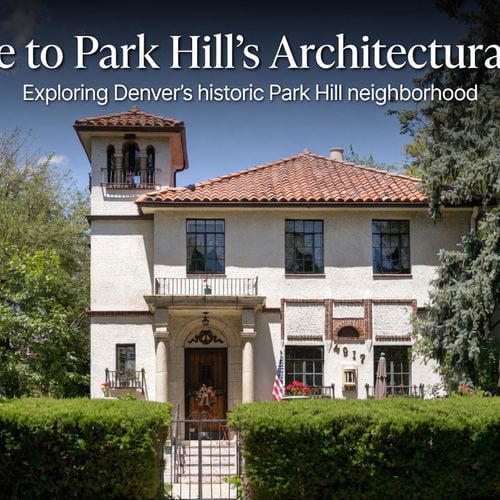


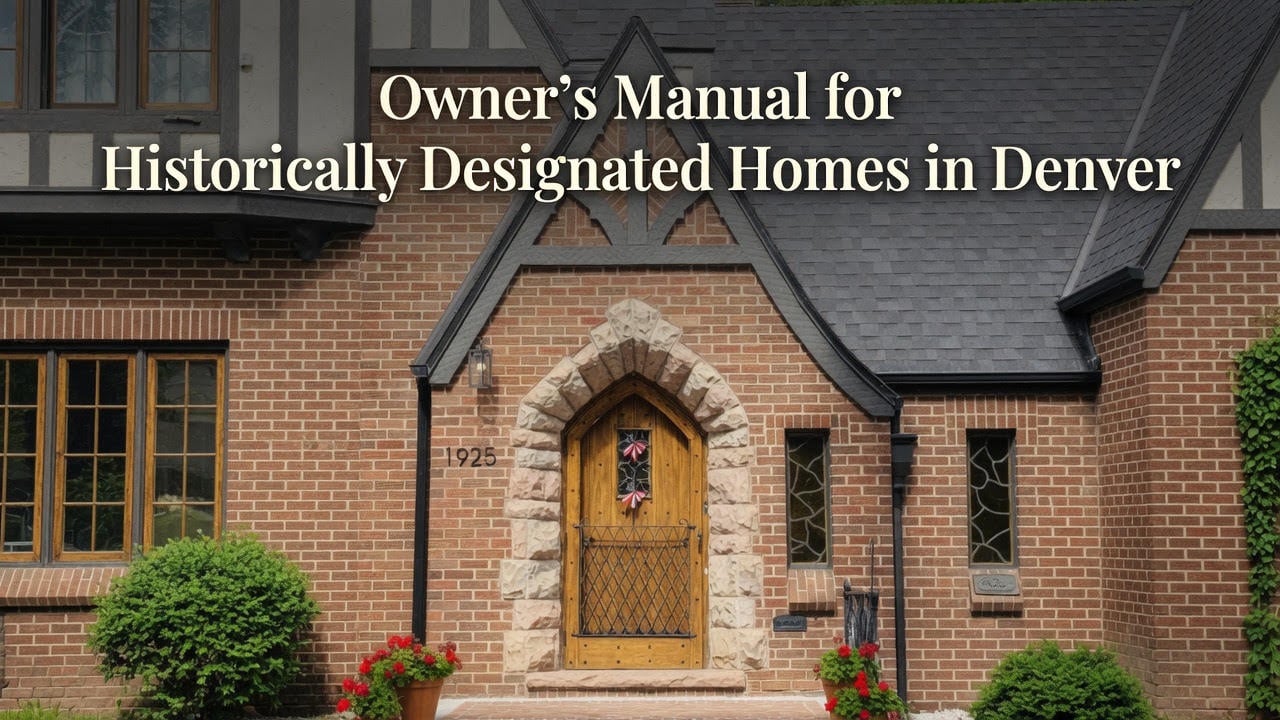
Owning a historically designated home in Denver can be incredibly rewarding. You get to live in a property with architectural character, a connection to the city's past, and a story that often stretches back generations.
But historic homeownership also comes with responsibilities that are different from owning a typical property.
Before you replace windows, build an addition, change the exterior paint color, install solar panels, or make other significant exterior improvements, you may need to understand Denver's historic preservation rules and approval processes. The specific requirements depend on the property's designation, the type of work you are planning, and whether the proposed changes are visible from the public right of way.
For buyers considering a historic home, this can feel complicated at first. For sellers, understanding the property's designation and any applicable restrictions is an important part of preparing for the market.
The good news is that owning a historically designated home does not mean you cannot renovate or improve it. It simply means that you may need to approach changes thoughtfully and understand the rules before you begin.
Here is your practical owner's manual for historically designated homes in Denver.
First, Understand What "Historic Designation" Actually Means
One of the most important things to understand is that not every older home in Denver is historically designated.
A home can be 100 years old and have no historic designation at all. Conversely, a property may be located within a designated historic district, meaning certain exterior changes could be subject to review even if the individual home is not designated as a landmark on its own.
Denver's historic preservation system includes both individual landmarks and historic districts. The rules that apply to your property depend on its specific designation.
Before purchasing a historic home or beginning a renovation, confirm exactly what type of designation applies.
This is particularly important in some of Denver's older neighborhoods, including parts of Park Hill, Capitol Hill, Congress Park, Baker, West Highland, and other established areas.
Your First Rule of Historic Homeownership: Check Before You Change
The biggest mistake a historic homeowner can make is assuming that a project is automatically permitted because it is being done to their own property.
Depending on the designation and project, exterior alterations may require review or approval before work begins.
That could include projects such as:
- Replacing original windows
- Changing exterior doors
- Altering a roof
- Adding an addition
- Building a garage or accessory structure
- Installing solar panels
- Modifying porches or front steps
- Making significant exterior changes
- Removing or altering architectural features
The rules are not necessarily intended to prevent homeowners from improving their properties. Instead, historic preservation is generally about balancing private property improvements with the preservation of architectural features and neighborhood character.
The key takeaway is simple: Before you start the project, find out whether approval is required.
Original Features Are Often Your Home's Greatest Asset
One of the joys of owning a historic home is living with details that are difficult, and sometimes impossible, to recreate today.
Original hardwood floors, millwork, doors, trim, fireplaces, windows, built-ins, and masonry can give a home a level of craftsmanship and personality that newer construction often lacks.
It can be tempting to remove these features in the name of modernization, but homeowners should think carefully before doing so.
In many cases, restoration can be preferable to replacement.
For example, an original wood window may look less efficient than a modern replacement window, but it may also be repairable. Original trim can often be refinished. Hardwood floors can frequently be restored. Historic doors may be worth preserving rather than replacing.
The goal is not necessarily to keep everything exactly as it was in 1905. A successful historic renovation often combines preservation with modern functionality.
The best projects respect the home's architectural character while making it work for contemporary life.
Windows: One of the Biggest Historic Home Questions
Windows are among the most common areas of concern for owners of historic homes.
Older windows can be drafty, difficult to operate, or inefficient compared with modern products. However, replacing them may not always be the simplest solution.
Historic windows can sometimes be repaired, weatherized, or supplemented with interior storm windows.
If replacement is necessary, the property's designation and applicable preservation requirements may determine what types of windows are permitted.
Before ordering new windows, check the rules that apply to your property.
This is a perfect example of why historic homeowners should consult the appropriate preservation resources and qualified professionals before starting work.
Renovating the Interior Is Often More Straightforward
Many homeowners worry that historic designation means they cannot update their homes.
That is generally not the case.
Historic preservation rules often focus primarily on the exterior features that contribute to a property's architectural character, particularly those visible from public areas.
That means many interior renovations may be possible without the same level of historic review.
You may be able to modernize a kitchen, renovate a bathroom, update mechanical systems, or reconfigure interior spaces, subject to normal building permits and applicable codes.
However, every property and project is different. If your renovation involves exterior walls, additions, structural changes, or features that contribute to the home's historic character, additional review may apply.
The best approach is to understand the requirements before hiring a contractor or finalizing your plans.
Additions Require Special Consideration
One of the biggest questions many historic homeowners have is whether they can add square footage.
The answer is often yes, but the design and location of the addition can be critical.
A well-designed addition can provide the modern kitchen, family room, primary suite, or additional living space that today's homeowners want while preserving the original architecture.
Historic preservation review may consider factors such as the addition's scale, placement, materials, and visibility from the public realm.
In many cases, additions are designed to complement the original structure without attempting to create a false historical appearance.
For buyers considering a historic property, it is worth thinking about future expansion plans before purchasing. The fact that a neighboring property has a large addition does not necessarily mean the same project would be permitted on your home.
Historic Designation Can Affect Maintenance and Renovation Costs
Historic homes often require a different mindset when it comes to maintenance.
A 100-year-old home may have beautiful original masonry, wood windows, plaster walls, slate roofing, or other materials that require specialized care.
Finding the right contractor can be just as important as finding the right design.
A contractor who specializes in modern construction may not have the experience needed to repair historic materials properly. In some cases, using the wrong materials or techniques can create more problems over time.
Before beginning a significant project, consider working with professionals who have experience with older and historically significant homes.
David Krohne's experience renovating older Denver homes has given him firsthand knowledge of the realities that come with owning and improving properties from different eras.
Historic Homes and Insurance
Insurance is another consideration that buyers should address early.
Some historic homes have unique construction methods, specialized materials, or replacement costs that differ from those of newer homes.
For example, rebuilding a property with custom masonry, historic millwork, or other specialty features may cost considerably more than replacing a standard modern home.
Before purchasing, talk with an insurance professional about appropriate coverage and replacement cost.
Do not wait until after closing to discover that insuring your historic home is more complicated than expected.
Historic Designation and Resale Value
Historic designation can be a selling point for the right buyer.
Many people specifically seek out Denver's historic homes because they appreciate architectural character, mature neighborhoods, and the opportunity to own a property with a unique story.
However, potential buyers will also want to understand what they can and cannot change.
A knowledgeable realtor should be able to explain the property's designation, help buyers understand the practical implications, and connect them with appropriate resources for more detailed questions.
For sellers, it is wise to gather documentation about previous renovations, permits, historic approvals, and significant improvements before putting the home on the market.
The more information you can provide, the easier it is for prospective buyers to understand the property.
The Bottom Line: Historic Homeownership Is About Stewardship
Owning a historically designated home in Denver is about more than owning real estate.
It is about being a steward of a piece of the city's architectural history.
That does not mean your home has to remain frozen in time. Some of the best historic homes are those that have evolved thoughtfully over the years, preserving the features that make the property special while adapting to the way modern families live.
The key is understanding your home's designation, researching the rules before beginning exterior projects, preserving original architectural details whenever practical, and working with professionals who understand historic properties.
For buyers, that knowledge can help you make a more informed purchasing decision. For sellers, it can help you communicate the unique value of your property to the right audience.
Buying or Selling a Historic Home in Denver?
David Krohne is a Denver realtor with the FORM Team at Compass Denver and a Park Hill resident who specializes in helping clients navigate Denver's historic and established neighborhoods.
David's personal experience renovating older Denver homes gives him a practical perspective on everything from architectural character and renovation potential to the realities of owning a home that has been standing for generations.
If you're considering buying a historically designated home, David can help you understand the real estate considerations and connect you with the appropriate resources and professionals for questions about preservation requirements, renovations, and property improvements.
If you're selling a historic home, David can help position its architectural character and unique features to attract buyers who appreciate what makes these properties special.
Whether you're buying your first historic home or preparing to sell a Denver property with a rich architectural history, David Krohne and the FORM Team at Compass Denver can help you navigate the process.
David Krohne is Your Key to Park Hill's finest properties.
Frequently Asked Questions About Historically Designated Homes in Denver
Does historic designation prevent me from renovating my Denver home?
No. Historic designation does not necessarily prevent renovations. However, certain exterior alterations may require review or approval depending on the property's specific designation and the nature of the proposed work. Interior renovations are often subject to standard permitting requirements, although individual projects can vary.
Can I replace the windows in a historically designated Denver home?
Possibly. Window replacement requirements depend on the property's designation and the specific circumstances of the project. In some cases, repair or restoration may be encouraged over replacement. Homeowners should confirm applicable requirements before ordering new windows.
Can I add an addition to a historic home in Denver?
Potentially, yes. Additions can be possible, but their design, scale, location, and visibility may be subject to historic preservation review. Homeowners should investigate the requirements for their specific property before developing architectural plans.
Does every old home in Denver have historic designation?
No. A home can be more than 100 years old without being historically designated. Conversely, a home may be located within a designated historic district where certain exterior changes are subject to review. Buyers should verify the specific status of any property they are considering.
Does historic designation affect a home's value?
It can. Historic designation may appeal to buyers who value architectural character, unique homes, and established neighborhoods. However, potential buyers may also want to understand applicable renovation requirements. The impact on value depends on the property, location, condition, designation, and buyer demand.
Should I buy a historically designated home in Denver?
A historic home can be an excellent choice for buyers who appreciate architecture and character and are comfortable taking a thoughtful approach to maintenance and renovations. Before purchasing, buyers should understand the property's designation, restrictions, condition, and potential future renovation plans.
What should I know before buying a historic home in Park Hill?
Buyers should understand the property's specific historic status, investigate any applicable preservation requirements, and carefully evaluate the condition of the home's major systems. Working with a Denver realtor who understands older homes and Park Hill's housing stock can help buyers make a more informed decision.
Check out this article next