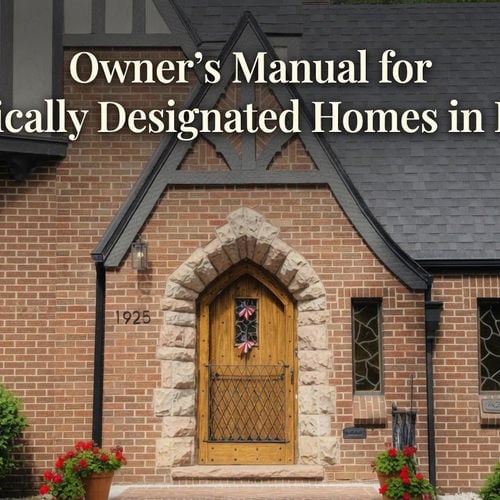



Denver's historic neighborhoods have never been more desirable. From Park Hill and Congress Park to Wash Park, Highlands, Baker, Montclair, and Crestmoor, buyers continue to seek homes with original craftsmanship, mature trees, walkable streets, and timeless architectural character.
But owning a historic home is different from owning a newer property. Every renovation decision can impact not only your enjoyment of the home, but also its long-term value, resale appeal, and in some cases, compliance with historic preservation guidelines.
Whether you've recently purchased a century-old bungalow or you're preparing to renovate before listing your home, this guide covers what every Denver homeowner should know before starting a remodel in 2026.
Why Denver's Historic Homes Continue to Appreciate
One of the biggest reasons buyers fall in love with Denver's older neighborhoods is that they simply cannot be replicated.
Large mature trees, generous lots, beautiful architecture, and established communities create a lifestyle that many buyers actively seek. Inventory in these neighborhoods also remains relatively limited, helping preserve long-term value.
Many of Denver's most desirable homes were built between 1890 and 1945, featuring styles including:
- Denver Square
- Craftsman Bungalow
- Tudor
- Victorian
- Colonial Revival
- Mid-Century Ranch
These homes often include details that would be prohibitively expensive to recreate today, such as quarter-sawn oak floors, plaster walls, custom millwork, leaded glass windows, exposed brick, and handcrafted built-ins.
The goal of remodeling should rarely be to erase that character. Instead, the best renovations preserve what makes the home special while updating it for modern living.
First: Determine Whether Your Home Is Historically Designated
This is one of the most overlooked steps.
Not every old home is officially historic.
Some homes are located inside designated historic districts, while others are individually landmarked. The rules vary considerably depending on your property's designation.
If your home falls within a historic district, exterior modifications often require approval before construction begins.
Projects that may require review include:
- Window replacement
- Roof materials
- Exterior paint colors
- Additions
- Garage construction
- Porch modifications
- Masonry restoration
Interior renovations generally have far fewer restrictions unless they affect protected architectural elements.
Understanding these rules before hiring contractors can save months of delays and thousands of dollars in redesign costs.
Start With the Systems Before the Finishes
One mistake many homeowners make is spending their renovation budget on kitchens and bathrooms before addressing what lies behind the walls.
Historic homes often contain aging infrastructure that should be evaluated first.
Prioritize:
Electrical
Many homes still contain outdated wiring that may not safely support today's appliances and electronics.
Plumbing
Original galvanized piping may have restricted water flow or be approaching the end of its lifespan.
Sewer Line
Older clay sewer lines are common throughout Denver and should be inspected with a camera before major remodeling begins.
HVAC
Many historic homes were designed before central air conditioning existed. Modern HVAC upgrades can significantly improve comfort and energy efficiency.
Foundation
Denver's expansive soils can create movement over time. Addressing structural issues early prevents much larger expenses later.
Although these upgrades are less glamorous than a new kitchen, they create a stronger foundation for every future improvement.
Preserve Character Wherever Possible
The renovations that consistently generate the highest resale value are the ones that respect the home's original architecture.
Whenever feasible, preserve:
- Original hardwood flooring
- Built-in cabinetry
- Original trim
- Interior doors
- Historic brickwork
- Decorative fireplaces
- Staircases
- Ceiling details
Replacing original craftsmanship with builder-grade materials rarely increases value.
Today's buyers appreciate authenticity, especially in neighborhoods like Park Hill, Washington Park, Congress Park, and Highlands.
Kitchens Can Feel Modern Without Looking Generic
The kitchen remains one of the best investments for resale, but successful historic renovations strike the right balance.
Consider incorporating:
- Custom inset cabinetry
- Quartzite or soapstone countertops
- High-quality appliance packages
- Hidden pantry storage
- Warm wood accents
- Classic subway tile
- Brass or unlacquered hardware
Avoid overly trendy finishes that may feel dated within just a few years.
A thoughtfully designed kitchen should feel as though it belongs in the home, even if everything inside is brand new.
Respect the Architecture During Additions
Many Denver homeowners eventually outgrow their homes.
Instead of moving, they choose to expand.
Popular additions include:
- Primary suites
- Family rooms
- Finished basements
- Accessory dwelling units (ADUs)
- Attached or detached garages
- Covered outdoor living spaces
The best additions complement the existing architecture rather than compete with it.
Matching rooflines, window proportions, siding materials, and scale helps preserve curb appeal while protecting long-term resale value.
Energy Efficiency Without Sacrificing Character
Historic homes can absolutely become more energy efficient.
Some of the highest-value improvements include:
- Air sealing
- Improved attic insulation
- High-efficiency HVAC systems
- Smart thermostats
- Storm windows
- Weatherstripping
- Tankless or hybrid water heaters where appropriate
Many homeowners are surprised to learn that restoring original wood windows combined with quality storm windows often performs remarkably well while maintaining architectural authenticity.
Budget More Than You Think
Almost every historic renovation uncovers surprises.
Hidden plumbing issues, outdated wiring, foundation repairs, or water damage frequently emerge once demolition begins.
As a general rule, homeowners should maintain a contingency budget of at least 15 to 20 percent beyond the initial construction estimate.
Having that financial cushion allows you to make better long-term decisions rather than cutting corners midway through the project.
Choosing the Right Contractor Matters
Not every contractor enjoys working on older homes.
Historic remodeling requires patience, creativity, and experience.
Ask prospective contractors:
- How many historic homes have you remodeled?
- Can I see similar projects?
- Do you regularly work in Denver's older neighborhoods?
- How do you approach preserving original details?
- What unforeseen issues do you commonly encounter?
An experienced historic home contractor often saves money by preventing expensive mistakes.
Which Renovations Deliver the Best Return?
While every property is unique, these projects consistently produce strong returns in Denver's historic neighborhoods:
- Kitchen remodels
- Primary bathroom renovations
- Basement finishing
- Updated mechanical systems
- Exterior paint and masonry restoration
- Professional landscaping
- Garage additions
- Thoughtful primary suite expansions
The highest returns typically come from improvements that make the home more functional while preserving its original charm.
Remodeling Before Selling? Think Strategically
Not every improvement adds equal value.
Before investing $100,000 or more into renovations, it's worth understanding what today's buyers actually expect in your neighborhood.
As a Denver Realtor specializing in historic homes throughout Park Hill and many of Denver's classic neighborhoods, I frequently help homeowners determine which renovations are likely to produce the strongest return on investment and which projects may not add meaningful resale value.
I also maintain a network of trusted architects, preservation specialists, designers, contractors, electricians, plumbers, landscapers, and other professionals who understand Denver's older homes. If you're planning a remodel or preparing your home for sale, I'd be happy to connect you with experienced vendors who have consistently delivered outstanding work.
Whether you're buying your first historic home or preparing to sell one you've loved for years, having the right guidance before remodeling can make a significant financial difference.
David Krohne with the FORM Team at Compass is proud to help buyers and sellers navigate Denver's unique historic housing market. As a Park Hill resident and local expert, David combines real estate knowledge with a deep appreciation for Denver's architectural heritage. Your Key to Park Hill's Finest Properties.
Frequently Asked Questions
Is remodeling a historic home in Denver more expensive?
Generally, yes. Older homes often require electrical, plumbing, structural, or foundation upgrades before cosmetic improvements begin.
Do I need approval before remodeling?
If your property is individually landmarked or located within a designated historic district, exterior modifications may require approval.
Should I replace original wood windows?
Not necessarily. Many original wood windows can be restored and paired with storm windows for excellent efficiency while preserving historic character.
What renovation adds the most value?
Updated kitchens, modern bathrooms, finished basements, and mechanical system upgrades generally provide the strongest return while maintaining architectural integrity.
Should I remodel before selling?
It depends on your neighborhood, budget, and buyer expectations. Consulting with a knowledgeable Realtor before beginning major renovations can help maximize your return.
Check out this article next