

For years, Washington Park has been one of Denver’s ultimate “I made it” neighborhoods.
Morning jogs around the lake. Packed patios on sunny weekends. Beautiful homes. Walkability. Energy everywhere.
And to be clear, Wash Park is still one of the most desirable neighborhoods in the city.
But lately, something interesting has been happening in Denver real estate.
A growing number of buyers who once swore they would only live in Wash Park are suddenly finding themselves driving through Park Hill saying things like:
“Wait… why do I kind of love it over here?”
Then a few weeks later:
“Okay, I REALLY love it over here.”
As a Park Hill resident himself, David Krohne has worked with many buyers making exactly this transition. Through the FORM Team at Compass Denver, David helps buyers compare not just home prices, but the actual lifestyle differences between two of Denver’s most iconic neighborhoods.
And while Wash Park and Park Hill both have strong appeal, they offer very different experiences.
Here is why more buyers are trading paddle boards and packed patios for tree-lined streets and front porch culture in Park Hill.
Buyers Want More Space and Slightly Less Chaos
Let’s start with the obvious.
Wash Park can feel busy.
Not “New York City” busy, but definitely:
- More traffic
- More people
- More density
- More competition for parking
- More weekend activity
For some buyers, that energy is the entire point.
For others, there comes a moment when they think:
“I still want city living… but maybe I do not need THIS much city living.”
That is often where Park Hill enters the conversation.
Park Hill gives buyers:
- Bigger lots
- Wider streets
- More yard space
- More mature landscaping
- More breathing room overall
You can still grab coffee, meet friends for dinner, and get downtown quickly. But when you come home, things tend to feel calmer.
A lot calmer.
Park Hill Has “Old Denver” Energy
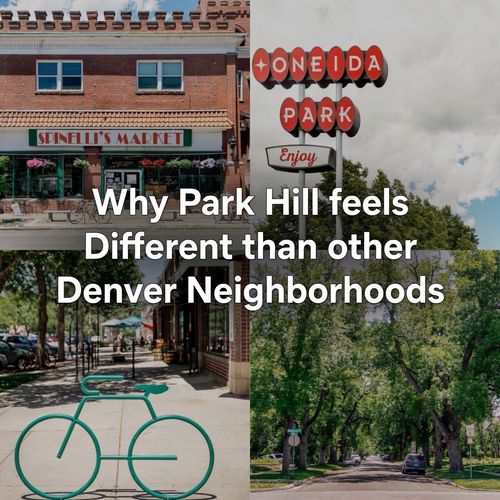
One of the first things Wash Park buyers notice in Park Hill is how established the neighborhood feels.
The trees are massive.
The homes have character.
The streets feel timeless.
Driving through:
- Forest Street
- Montview Boulevard
- 17th Avenue Parkway
feels very different from driving through newer redevelopment-heavy parts of Denver.
In Park Hill, you are surrounded by:
- Brick Tudors
- Denver Squares
- Craftsman homes
- Original architecture
- Front porches people actually use
There is a warmth to the neighborhood that buyers immediately connect with.
It feels less curated and more authentic.
Buyers Are Falling Back in Love With Character Homes
Wash Park has seen a huge wave of redevelopment over the years.
You can still find beautiful historic homes there, but buyers also encounter:
- Modern slot homes
- Duplex redevelopment
- Tall modern builds
- Smaller lots with oversized structures
Park Hill has certainly evolved too, but much of the neighborhood still feels architecturally cohesive.
And buyers love that.
In Park Hill, people get emotional about:
- Original woodwork
- Arched doorways
- Historic brick
- Mature gardens
- Giant shade trees
- Front porch swings
There is personality here.
The homes feel unique instead of interchangeable.
For many buyers, especially those moving from older cities like Chicago or Minneapolis, Park Hill scratches an itch they did not even realize they had.
The Lifestyle Feels More Relaxed
This is probably the biggest difference buyers talk about after moving.
Wash Park feels energetic.
Park Hill feels grounded.
In Wash Park:
- The neighborhood revolves around the park itself
- Activity is constant
- There is a stronger social scene
- Weekends can feel busy everywhere
In Park Hill:
- People walk dogs beneath giant trees
- Neighbors stop and talk on sidewalks
- Kids ride bikes on quieter streets
- Local coffee shops feel more neighborhood-oriented
The vibe is less “see and be seen” and more “this is home.”
That difference resonates with a lot of buyers entering a new stage of life.
South Park Hill Is Becoming the Sweet Spot
One area especially attracting former Wash Park buyers is South Park Hill.
Why?
Because it offers an incredibly appealing middle ground.
You still get:
- Walkability
- Historic homes
- Great restaurants and coffee shops
- Access to parks
- Beautiful architecture
But you also get:
- Larger lots
- More residential calm
- Less density
- Easier parking
- More neighborhood feel
The areas surrounding:
- 23rd Avenue
- Hudson Street
- Forest Street
- 17th Avenue Parkway
have become especially competitive because buyers feel like they are getting the best of both worlds.
The Trees Matter More Than People Expect
This sounds small until you experience it.
Park Hill’s tree canopy changes the entire feeling of the neighborhood.
In the summer, some streets almost completely shade over.
The neighborhood feels cooler, quieter, and softer than many parts of Denver.
People moving from Wash Park often say something like:
“It just feels peaceful over here.”
That feeling is hard to quantify, but it matters.
A lot.
Buyers Are Thinking Longer Term
Many Wash Park buyers originally moved there for:
- Walkability
- Social energy
- Proximity to restaurants
- Active lifestyle
But over time, priorities shift.
Buyers begin thinking about:
- More space
- A quieter environment
- Long-term livability
- Bigger yards
- Community feel
- Future resale stability
Park Hill checks many of those boxes while still keeping buyers connected to the city.
That is one reason demand in Park Hill remains incredibly strong across:
- Families
- Relocation buyers
- Luxury buyers
- Longtime Denver residents
The neighborhood appeals to people who want Denver without feeling overwhelmed by Denver.
Why Hyperlocal Expertise Matters in Park Hill
One thing buyers quickly learn is that Park Hill changes dramatically block by block.
A home near:
- 17th Avenue Parkway
- Montview Boulevard
- 23rd Avenue
- City Park
can feel completely different depending on the exact location.
Things like:
- Walkability
- Traffic patterns
- Lot sizes
- School boundaries
- Parkway proximity
- Renovation trends
all influence both lifestyle and long-term value.
That is why many buyers work with David Krohne and the FORM Team at Compass Denver.
As a Park Hill resident himself, David helps buyers understand the subtle neighborhood differences that online searches simply cannot explain. From identifying the most competitive micro-locations to understanding long-term appreciation trends, hyperlocal insight matters in a neighborhood as nuanced as Park Hill.
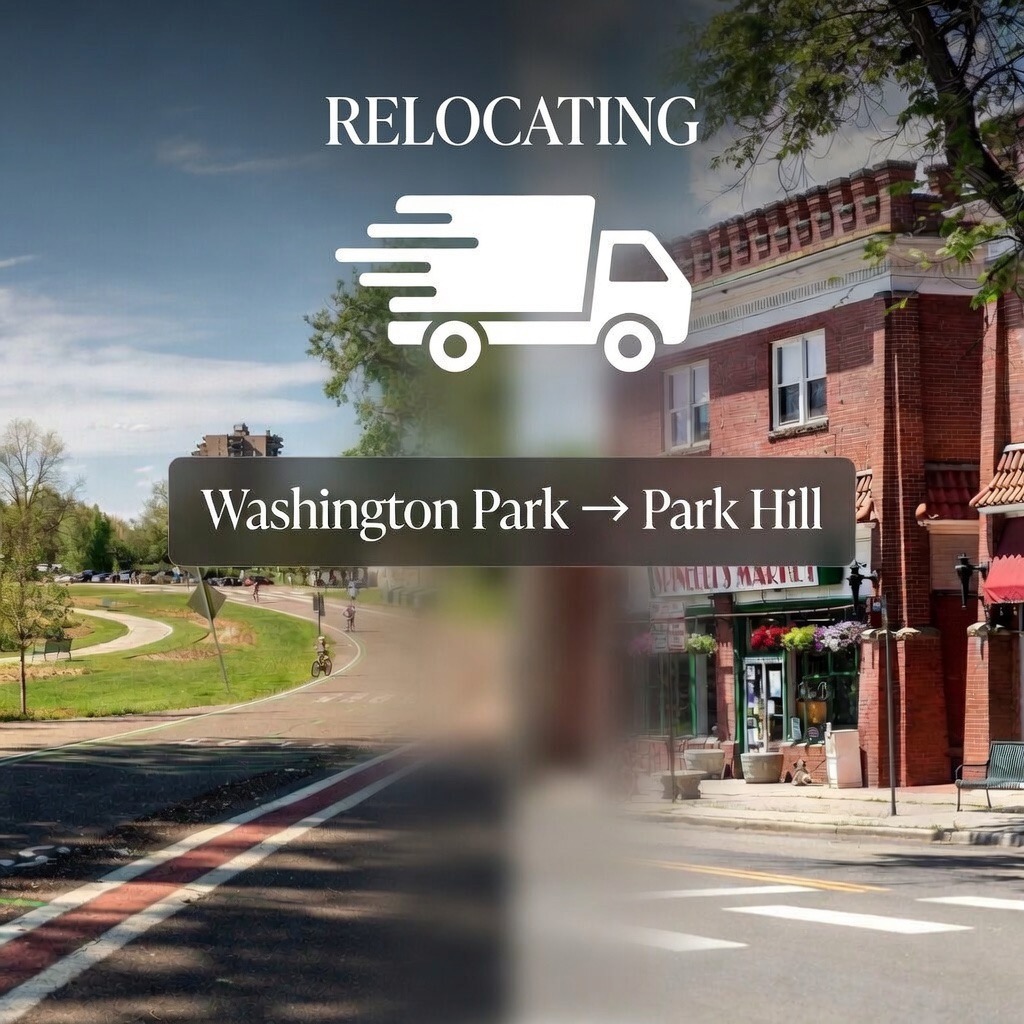
If you are considering a move from Wash Park to Park Hill, David and the FORM Team would love to help you explore the neighborhood and current market opportunities.
“Your Key to Park Hill’s finest properties.”
Final Thoughts
Wash Park is still one of Denver’s great neighborhoods.
But for many buyers, Park Hill offers something they did not realize they were missing:
- More calm
- More character
- More space
- More neighborhood connection
- More timeless charm
It feels like a part of Denver that has managed to evolve without losing its identity.
And once buyers spend time beneath the giant trees, walk the parkways, and experience the slower pace of the neighborhood, it starts to make perfect sense why so many people are making the move.
If you are considering buying or selling in Park Hill, David Krohne and the FORM Team at Compass Denver would love to help you navigate the neighborhood with hyperlocal expertise and real-time market insight.
FAQ Section
Why are buyers moving from Wash Park to Park Hill?
Many buyers are looking for larger lots, quieter streets, mature trees, and more historic character while still staying connected to central Denver.
Does Park Hill feel less busy than Wash Park?
Yes. Many residents feel Park Hill offers a calmer and more residential atmosphere with less congestion and lower density.
What part of Park Hill is most popular with former Wash Park buyers?
South Park Hill is especially attractive because it combines walkability, historic homes, and neighborhood charm with a quieter overall feel.
Is Park Hill a good long-term investment?
Historically, Park Hill has remained one of Denver’s strongest residential markets due to limited inventory, strong demand, and timeless neighborhood appeal.
Why do buyers love Park Hill homes?
Buyers are often drawn to Park Hill’s Tudors, Denver Squares, mature landscaping, front porches, and overall architectural character.
Check out this article next